Experts Claim Apple's New Lease Program Is Designed to Mask Rising Hardware Costs
Apple has launched its new Apple Upgrade leasing program. Experts argue the plan is a calculated attempt to make rising hardware costs feel more affordable for consumers.
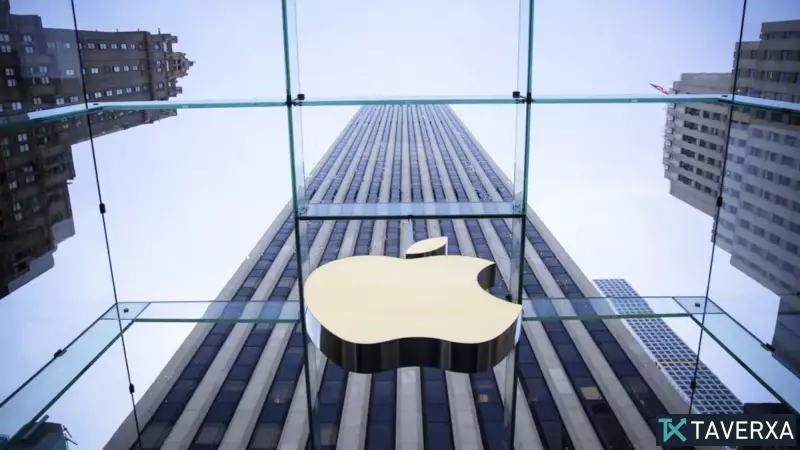
Apple has officially launched its new 'Apple Upgrade' program, a refreshed leasing initiative powered by Klarna that aims to simplify how consumers finance their favorite devices. The program spans a range of hardware including iPhones, iPads, Mac computers, and Apple Watches. While Apple markets the plan as a more flexible and consumer-friendly payment structure, industry experts suggest there is a more strategic financial motive behind the move.
How the Apple Upgrade Program Works
The new program allows users to commit to fixed lease terms of 12, 24, or 36 months, depending on the chosen device. Participants have the option to upgrade to the latest model once their term is up, or return the hardware at the end of the lease. The process involves a soft credit check through Klarna, ensuring no negative impact on a user's credit score during the initial application.
Monthly payments vary by product type and storage capacity. For example, iPhone plans start as low as $17.99, while high-end Mac Studio machines can be leased for $48.99 per month. However, it is important to note that unlike previous iterations of Apple's upgrade initiatives, this program does not include AppleCare+, which remains a separate, additional cost.
The 'Masking' Strategy
Market analysts believe the program is a tactical response to the increasing manufacturing and component costs affecting the tech industry. Jitesh Ubrani, a director at IDC, explains that by lowering the barrier to entry with manageable monthly installments, Apple successfully shifts consumer focus away from the high upfront price tags of its premium hardware. This strategy makes expensive devices appear more accessible, effectively 'masking' the impact of rising retail prices that have resulted from inflation and supply chain pressures.
Furthermore, the program creates a closed-loop system. As customers turn in their devices at the end of their lease terms, Apple gains a steady stream of trade-in hardware that can be refurbished, resold, or used to capture a broader market segment of budget-conscious users who might otherwise skip the latest generation of devices.
Considerations for Consumers
While the program offers a way to avoid large one-time payments, experts caution that it is not necessarily the most economical path. Techsponential's Avi Greengart points out that because it is essentially a lease, users do not own the device unless they opt for a final buyout payment. If a user misses payments, the lease terms are strict; failing to settle after three missed payments can result in a demand for the full outstanding balance and potential involvement from a debt collection agency.
Additionally, several entry-level devices—including the base iPhone 16 and specific Mac models—are currently excluded from the program. Consumers looking to save money on their tech stack should carefully weigh these monthly costs against the long-term value of ownership versus the convenience of a recurring lease.