Exodus: Why the Highly Anticipated Sci-Fi RPG Has Fans Concerned
Exodus, the sci-fi RPG touted as the successor to Mass Effect, is facing backlash from fans over its character creation limitations. Discover what is fueling the disappointment.
A Rising Star Faces Initial Backlash
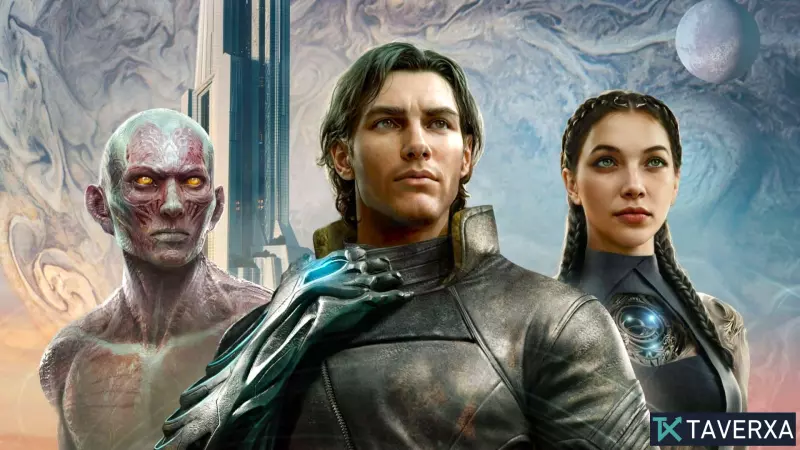
Exodus, the upcoming sci-fi role-playing game from Archetype Entertainment, has long been hailed as the spiritual successor to the legendary Mass Effect series. With veterans of the industry leading the charge, fans have had high expectations for a deep, immersive space odyssey. However, a recent reveal regarding a core game feature has triggered a wave of frustration within the community, marking the first real hurdle for the title.
The Character Editor Controversy
At the heart of the current debate is the game's character creation suite. In an era where players expect unprecedented control over their avatars—ranging from granular facial features to complex body types—recent information suggests that the customization options in Exodus may be more restrictive than previously anticipated. For a game that positions itself as a narrative-heavy RPG, players feel that the ability to fully project themselves into the protagonist is essential, and any perceived limitations are being met with vocal disappointment.
The Importance of Player Choice
The success of predecessors like Mass Effect was largely built on the player's connection to Commander Shepard, a character shaped by the choices and visual identity of the user. Fans are worried that if the character creator lacks depth, it could signal a broader issue with the game's commitment to player agency. While the developers have promised a rich, cinematic experience, the community remains skeptical, emphasizing that immersion is often lost when one's digital representation fails to meet modern standards.
Looking Ahead
Despite the backlash, it is important to remember that Exodus is still in development. Archetype Entertainment has the opportunity to address these concerns before the final release. Whether they choose to expand the current editor or clarify the design philosophy remains to be seen, but one thing is clear: the gaming community is watching closely, and their tolerance for 'next-gen' titles that feel constrained is at an all-time low.