DIY Smartphone Protection: My Journey 3D Printing Phone Cases at Home
Explore the real-world experience of 3D printing smartphone cases. Learn about PLA vs TPU materials, cost analysis, and the pros and cons of DIY phone protection.
The Quest for the Perfect Case
For most smartphone owners, the first instinct after unboxing a new device is to find a protective case. With a market saturated by thousands of options—ranging from budget plastic shells to luxury leather—the process is often tedious. After a particularly painful experience where an iPhone 17 Pro Max met the asphalt, resulting in unsightly chips and dents, the necessity of a case became undeniable. But instead of scrolling through endless e-commerce pages, I decided to leverage a tool I had recently acquired: a 3D printer.
The goal was simple: could I create a functional, protective case in a single afternoon without waiting for shipping or spending a premium on retail brands? More importantly, could home manufacturing reduce the environmental footprint associated with the global logistics of phone accessories?
Material Matters: PLA vs. TPU
Coming from a beginner's perspective, the first hurdle was choosing the right filament. Most entry-level printers come with PLA (Polylactic Acid). While PLA is excellent for decorative trinkets, it proved to be a poor choice for smartphone protection. PLA is rigid and brittle; it offers minimal shock absorption and, more critically, lacks the flexibility required to actually slide a phone into a wrap-around case. Attempting to use PLA essentially requires a multi-part locking design, which adds complexity and potential failure points.
After researching community consensus, I pivoted to TPU (Thermoplastic Polyurethane). TPU is a rubber-like material known for its flexibility and high resistance to impact and tearing. It allows the case to stretch and grip the device securely. However, TPU is not without its flaws. It is hygroscopic, meaning it absorbs moisture from the air, which can degrade print quality—a particular challenge for those living in humid climates.
Testing the Theory: iPhone and Galaxy Z Fold
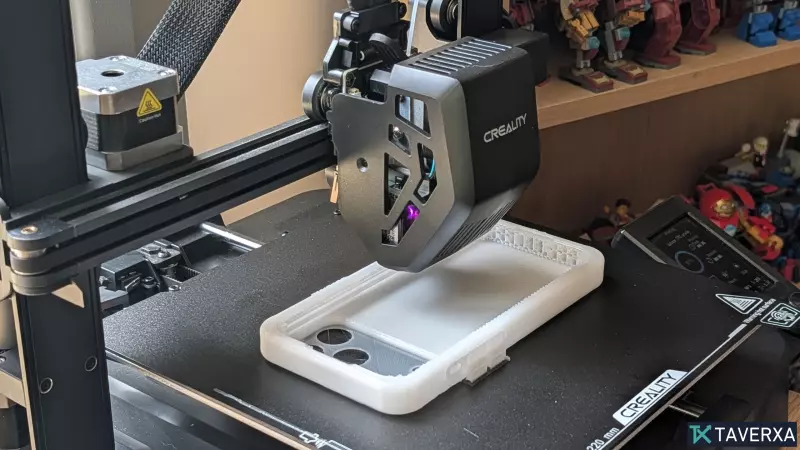
To test the limits of these materials, I sourced design files from Thingiverse for two very different devices: the iPhone 17 Pro Max and the Samsung Galaxy Z Fold 7.
The iPhone Experiment
I first attempted a PLA version of the iPhone case. While the print looked aesthetically clean, it was practically useless. The rigid plastic lip made it impossible to insert the phone, and the buttons were essentially fused shut. However, the durability was surprising; using a 'gyroid infill' for internal strength, the case resisted breaking even under significant manual pressure.
The TPU version was a success in terms of fit. Despite some "rookie mistakes"—including forgetting to adjust the print speed in the software, which led to some unsightly "stringing" or webbing—the case functioned perfectly. It provided the necessary cushion and returned to its original shape after being twisted. The trade-off was time: while the PLA case printed in under 2.5 hours, the TPU version took 4 hours and 37 minutes.
The Foldable Challenge
The Galaxy Z Fold 7 presented a different challenge. Because of its unique form factor, many cases are "half-cases" that clip onto the back. Printing this in PLA worked surprisingly well, as the design relies on a snap-fit rather than a wrap-around grip. Conversely, the TPU version of the Fold case was a failure; the material was too flexible, causing the case to "flop" and slide off the device due to a lack of structural rigidity.
The Bottom Line: Cost and Practicality
From a financial standpoint, 3D printing is an absolute victory. Using a Creality Ender 3 V3 SE, the raw material costs were negligible:
- PLA: Approximately £0.0018 per gram.
- TPU: Approximately £0.0012 per gram.
The Z Fold 7 case cost roughly £0.025 in filament, while the larger iPhone case cost about £0.065. Compared to a premium retail case (such as Apple's $59 TechWoven option), the material cost is virtually zero. However, this doesn't account for the initial investment in the printer, electricity, or the time spent troubleshooting failed prints.
Final Verdict: Should You Do It?
For the average user with a single phone, buying a commercial case remains the most practical choice. They are stylish, professionally engineered for drop protection, and readily available. 3D printing a case often results in a bulky, "homemade" aesthetic that lacks the polish of factory-made products.
However, for tech enthusiasts, reviewers, or those with obscure devices where cases are hard to find, 3D printing is a game-changer. If you already own a printer or are looking for a way to customize your tech experience, printing your own protection is a rewarding exercise in trial and error. It may not be the most fashionable route, but it is undoubtedly the most flexible.