Capturing the Cosmos: The Ultimate Guide to the Perseid Meteor Shower 2026
Prepare for the Perseid meteor shower 2026 with our comprehensive guide to the best cameras, smart telescopes, and astrophotography gear for stunning results.
The Magic of the Perseids: An Annual Celestial Spectacle
The Perseid meteor shower is widely regarded as one of the most breathtaking astronomical events of the year. Occurring annually in late July and peaking in August, this shower is the result of Earth passing through the debris trail left by Comet Swift-Tuttle. As these particles collide with our atmosphere at immense speeds, they ignite, creating the brilliant streaks of light we know as shooting stars.
While the Perseids can be enjoyed with the naked eye from a dark location, the real magic happens when you combine a passion for the stars with the right technology. Whether you are a seasoned astrophotographer or a curious beginner, having the right kit can transform a simple viewing session into a professional-grade gallery of the cosmos.
Essential Gear for Astrophotography
Capturing meteors requires a specific approach to photography. Unlike daytime shots, you need equipment that can handle extreme low-light conditions and long exposure times without introducing blur or excessive noise.
- High-Resolution Mirrorless Cameras: For those seeking professional results, full-frame mirrorless cameras like the Canon EOS R6 Mark II or the Sony A7r III are ideal. Their large sensors are designed to capture maximum light, which is crucial for revealing the faint trails of meteors against a deep black sky.
- Ultra-Wide Angle Lenses: To capture the scale of the shower, a wide field of view is necessary. This allows you to keep more of the sky in the frame, increasing your chances of catching a meteor in the shot.
- The Foundation: Robust Tripods: Long exposures mean any slight vibration will ruin a photo. A heavy-duty tripod, such as the Vanguard Alta Pro 2+, ensures your camera remains perfectly still during 15 to 30-second exposures.
Exploring the Deep Sky with Telescopes
While meteor showers are best viewed with a wide field of view, the nights of the Perseids are also perfect for exploring other celestial bodies. Depending on your skill level, there are various options available:
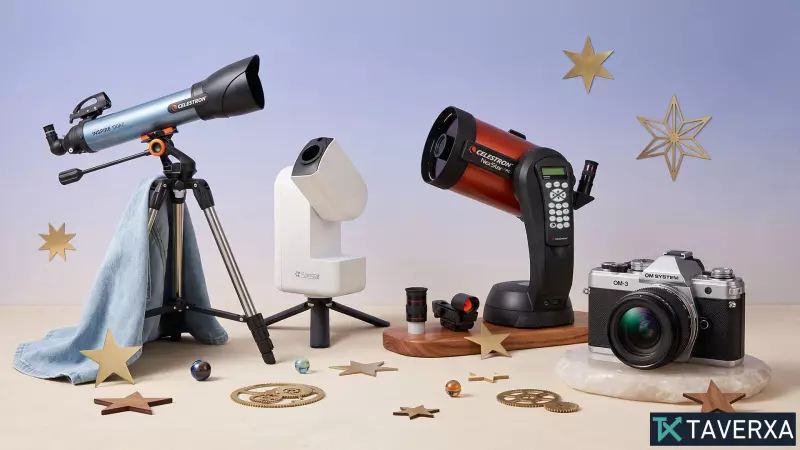
- For Beginners: The Celestron Travel Scope 80mm is a fantastic entry point. It is portable and easy to set up, making it a great companion for those traveling to remote, dark-sky preserves.
- The Smart Revolution: New-age technology has introduced smart telescopes like the ZWO Seestar S30 Pro and Fashionari Smart Telescope. These devices automate the tracking and imaging process, allowing users to capture 4K astrophotography directly to their smartphones.
- Advanced Observation: For those who want a more traditional but powerful experience, the Celestron NexStar series (such as the 4SE or 6SE) offers computerized tracking, which is essential for observing planets and nebulae between meteor bursts.
Pro Tips for a Successful Viewing Experience
Equipment is only half the battle; technique and environment are equally important. To make the most of the 2026 Perseids, keep these tips in mind:
- Find a Dark Sky Site: Light pollution from cities can wash out all but the brightest meteors. Use a light pollution map to find a truly dark area.
- Use Light Pollution Filters: If you cannot get far from the city, a Hoya Starscape Light Pollution Cut Filter can help neutralize the orange glow of city lights, resulting in cleaner, darker images.
- Allow for Eye Adaptation: It takes about 20 to 30 minutes for your eyes to fully adjust to the dark. Avoid looking at your phone screen during this time to maximize your natural night vision.
- Patience is Key: Meteors are unpredictable. Set up your gear, get comfortable, and let the camera do the work over several hours.