Beyond the Specs: 6 Home Treadmill Dealbreakers Every Buyer Should Know
Expert advice on the 6 home treadmill features that are actual dealbreakers. Learn why ease-of-use and manual controls matter more than top speed and horsepower.
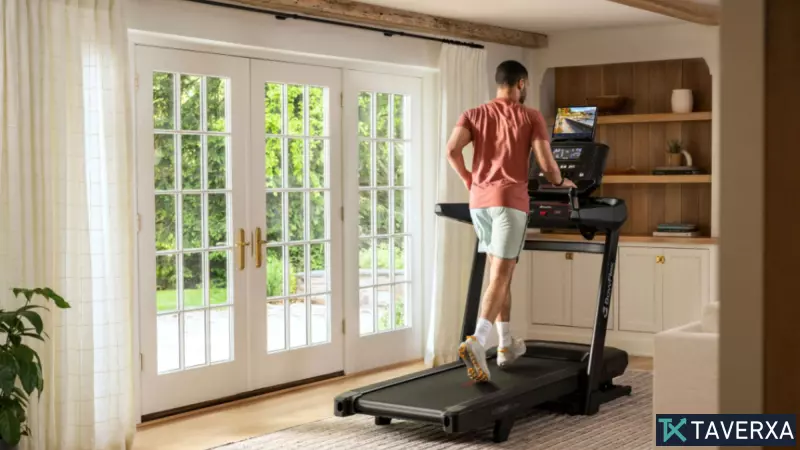
When shopping for a home treadmill, it is easy to get seduced by the numbers on a spec sheet. High top speeds, steep maximum inclines, and powerful motor horsepower often take center stage in marketing materials. However, after a decade of rigorous testing and hundreds of miles logged on various machines, the reality of daily use reveals that raw power isn't the primary driver of a positive workout experience. The true secret to a treadmill you'll actually use lies in a concept often overlooked: ease-of-use.
Over time, friction—not physical friction on the belt, but mental friction in the user interface—becomes the biggest barrier to fitness. To help you avoid 'buyer's remorse,' here are the six critical features and questions that should be your dealbreakers when investing in a home treadmill.
1. The 'Time to Start' Metric
There is nothing more frustrating than carving out a rare window of time for a workout, only to spend the first ten minutes battling a treadmill's operating system. Many high-end machines are now essentially computers with belts, and they come with the baggage of software updates, login screens, and complex sub-menus.
The Dealbreaker: If it takes more than 30 seconds to get the belt moving, it's a problem. Look for machines with a 'Quick Start' option or physical manual buttons. If you are a parent or a busy professional, the ability to jump on and run immediately—without waiting for a system reboot—is a vital feature for consistency.
2. Subscription Dependency
The industry trend is moving toward 'Hardware as a Service,' where the machine is a shell for a monthly subscription. While apps like iFit or JRNY offer great coaching, you must ask: What happens if I stop paying?
The Dealbreaker: A treadmill that becomes a 'dumb' piece of metal without a monthly fee is a liability. Ensure the machine remains fully functional—allowing you to control speed, incline, and track basic stats—without an active subscription. You may own this machine for a decade, but you might not want to pay a monthly fee for all ten of those years.
3. The Necessity of Manual Controls
Touchscreens are elegant when you first step on the belt. However, 45 minutes into a grueling interval session, a touchscreen becomes a smudge of sweat and fingerprints. Inadvertently triggering the wrong setting because of a salty screen can be dangerous and annoying.
The Dealbreaker: Purely touch-based interfaces are insufficient. Dedicated manual controls for speed and incline—ideally with shortcut buttons for rapid transitions during HIIT workouts—are essential for safety and precision.
4. Genuine Portability and Folding
The term 'foldable' is often used loosely by manufacturers. Some machines merely lift the belt a few inches, which doesn't actually save significant floor space and makes the machine a nightmare to move.
The Dealbreaker: Consider the physical footprint. If you live in an apartment or a multi-purpose room, a machine that folds completely flat or has high-quality transport wheels is non-negotiable. It is often more beneficial to sacrifice a bit of top speed for a design that won't permanently obstruct your living space.
5. Open Ecosystems via Bluetooth
Many brands try to lock you into their own proprietary fitness platforms. However, the modern runner often prefers a variety of tools, such as Zwift for virtual racing or specialized training apps.
The Dealbreaker: Lack of third-party Bluetooth connectivity. A treadmill that can communicate directly with external apps provides more accurate data than relying on a footpod or a wrist-based tracker. Versatility in software is just as important as versatility in hardware.
6. The Running Belt Dimensions
Belt size is the most direct influence on your physical comfort. A belt that is too short or narrow leads to a feeling of claustrophobia, causing you to shorten your natural stride or experience anxiety about stepping off the machine.
The Dealbreaker: If the belt is too small for your height and stride length, the machine is useless. While top-tier machines offer 60x20 inches, most runners are comfortable with a 50-55 inch length and a 17-18 inch width. Always measure your stride to ensure you aren't buying a machine that forces you to run 'small.'
Related Posts