Beyond ChatGPT: 5 Essential Prompts That Make Claude the Superior AI for Writing and Analysis
Discover 5 powerful prompts that make Claude a superior alternative to ChatGPT for creative brainstorming, complex learning, and professional writing.
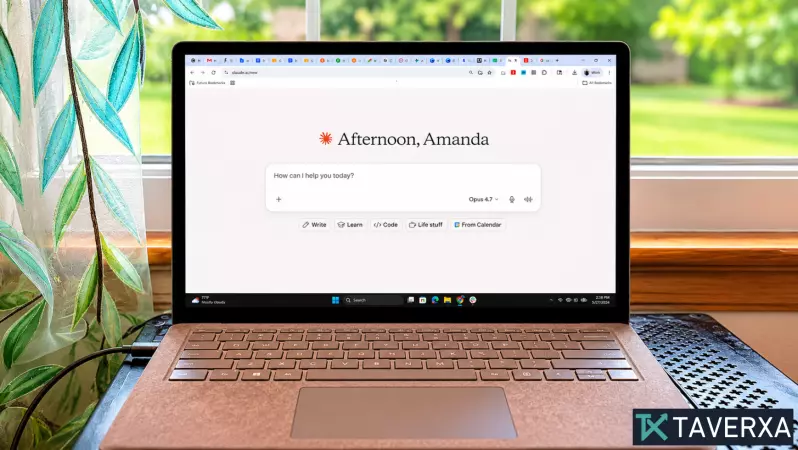
The Shift from ChatGPT to Claude: A New Standard for AI Interaction
For years, ChatGPT has been the undisputed heavyweight champion of the AI world, serving as the default tool for millions. However, a shift is occurring among power users. After extensive testing with Anthropic's Claude, many are finding that the experience isn't just different—it's fundamentally better for high-level cognitive tasks. While ChatGPT remains a versatile powerhouse, Claude offers a level of nuance, structural integrity, and 'human-like' reasoning that often eliminates the need for tedious follow-up prompts.
The core difference lies in the delivery. Claude tends to be less robotic, avoiding the generic 'AI fluff' and repetitive fillers that often plague GPT-generated content. For those seeking a tool that 'gets it' the first time, here are the five specific workflows where Claude consistently outperforms the competition.
1. High-Impact Creative Brainstorming
Most AI chatbots can generate a list, but there is a vast difference between a list of generic suggestions and a list that actually sparks inspiration. When using the prompt: "I need help brainstorming ideas for [topic, product, or project]. Can you provide 10 unique ideas or approaches, and briefly explain each?", Claude excels by pushing into less obvious territory.
Where ChatGPT often provides ten variations of the same 'safe' answer, Claude identifies diverse angles and provides concise, logical reasoning for each. The result is a brainstorming session that feels like collaborating with a creative partner rather than a search engine.
2. Mastering Complex Topics through Adaptive Learning
Learning a new skill or concept requires a tool that can adjust its depth without becoming condescending or overly vague. The prompt "Explain [topic] to me as if I were [a beginner, a college student, or an expert]. Provide examples or analogies to help me understand better" showcases Claude's superior tone-matching capabilities.
Claude’s distinct advantage here is its intellectual honesty. Unlike some models that attempt to smooth over complexities with confident-sounding but vague paragraphs, Claude is more likely to admit when a topic is genuinely complicated or identify potential inaccuracies, making it a more reliable educational companion.
3. Practical Productivity and Workflow Optimization
Generic productivity advice—like 'batch your tasks'—is rarely helpful. When tasked with optimizing a specific routine using the prompt: "Help me optimize my workflow for [a specific task or project]. Suggest tools, strategies, or step-by-step routines that can save time or improve quality," Claude delivers actionable, staged plans.
Whether you are organizing a corporate project or managing the chaos of getting children out the door by 8 AM, Claude treats the request as a problem with real-world constraints. By breaking suggestions into time blocks and providing contingency plans for when things go wrong, it moves beyond a simple list of apps to a comprehensive strategy.
4. Sophisticated Writing and Editorial Assistance
The goal of AI in writing should not be to replace the author, but to eliminate the 'blank page' syndrome. By prompting Claude with: "I need help writing [type of content]. Here's the topic/goal: [describe it]. Can you create an outline for me?", users can transform messy notes into structured frameworks.
Claude is particularly adept at handling longer-form content without losing the narrative thread. It significantly reduces the time spent editing out 'AI fluff'—those characteristic adjectives and repetitive transitions that often signal a text was generated by GPT. This makes it an indispensable tool for creating professional bios, blog posts, and persuasive emails.
5 a Curated Approach to Personalized Recommendations
Recommendation engines often rely on popularity rather than preference. Using the prompt: "Based on my [situation, preferences, or needs], can you recommend [books, movies, strategies, tools, etc.] and explain why they might be a good fit?" reveals Claude's ability to pick up on nuance.
Rather than returning a list of the most popular streaming shows, Claude provides a curated selection that feels tailored to the user's specific mood or need. Each recommendation is accompanied by a logical explanation of why it fits, mirroring the experience of getting a suggestion from a friend who truly knows your taste.
Final Verdict: Choosing the Right Tool for the Job
This transition isn't about declaring ChatGPT obsolete—it is about using the right tool for the specific task. ChatGPT remains excellent for many general functions, but for tasks requiring human-like nuance, complex analysis, and refined writing, Claude is the clear winner. The key to unlocking this potential is specificity; the more detailed your requirements, the more Claude rewards you with a thoughtful, precise response.