Apple Upgrade Program: A Game-Changing Deal or a Costly Trap? The Numbers Revealed
Is the Apple Upgrade Program a good deal or a rip-off? We crunch the numbers on leasing iPhones and Macs to see how it compares to traditional ownership.
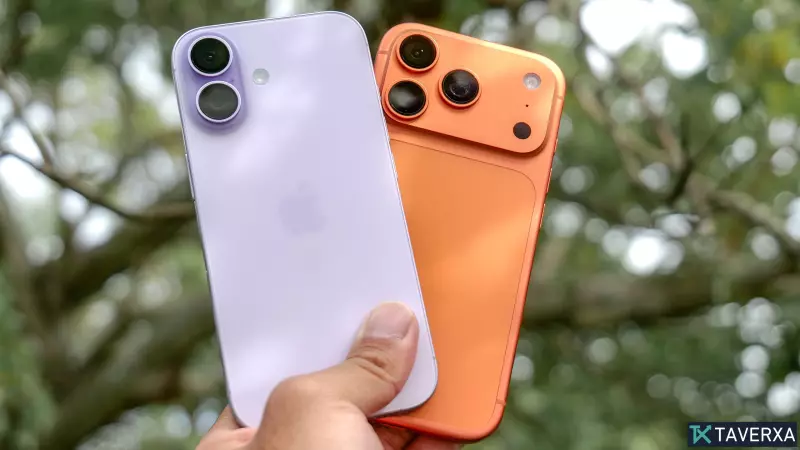
Introducing the Apple Upgrade Program: A New Way to Consume Tech
Apple has recently shaken up its hardware acquisition model with the launch of the Apple Upgrade Program. Unlike traditional purchasing or carrier contracts, this initiative allows users to lease a wide variety of the company's ecosystem, including the latest iPhones, Macs, Apple Watches, and iPads. With flexible terms of 12, 24, or 36 months, the program is designed for those who crave the newest hardware without the sting of a massive upfront payment.
However, leasing is fundamentally different from owning. While the monthly fees make high-end tech feel accessible, the long-term financial implications are more complex. To determine if this is a genuine value proposition or a strategic move to keep users in a perpetual payment loop, we crunched the numbers and consulted advanced AI models like ChatGPT, Gemini, and Claude.
Breaking Down the Costs: What You'll Actually Pay
When looking at a standard 24-month term, the program requires an upfront cost followed by a monthly subscription. Here is the financial breakdown for the most popular devices:
iPhones and Apple Watches (24-Month Term)
- iPhone 17e: $599 upfront + $17.99/month (Total monthly payments: $431.76)
- iPhone Air: $999 upfront + $28.99/month (Total monthly payments: $695.76)
- iPhone 17: $799 upfront + $22.99/month (Total monthly payments: $551.76)
- iPhone 17 Pro: $1,099 upfront + $31.99/month (Total monthly payments: $767.76)
- iPhone 17 Pro Max: $1,199 upfront + $34.99/month (Total monthly payments: $839.76)
- Apple Watch Series 11: $399 upfront + $11.99/month (Total monthly payments: $287.76)
- Apple Watch Ultra 3: $799 upfront + $24.99/month (Total monthly payments: $599.76)
Macs and iPads (24-Month Snapshot)
For larger devices, the program offers longer terms (up to 36 months), but over a two-year period, the costs remain significant:
- iPad Pro: $1,199 upfront + $24.99/month ($599.76 total monthly)
- MacBook Pro: $1,999 upfront + $38.99/month ($935.76 total monthly)
- Mac Studio: $2,499 upfront + $48.99/month ($1,175.76 total monthly)
The Hidden Costs: The Fine Print and AppleCare+
The headline numbers don't tell the whole story. There are critical caveats in the Terms of Service that users must consider. First, the program is managed by Klarna; missing three consecutive payments can result in immediate contract termination and a demand for the remaining balance.
Second, and perhaps most importantly, AppleCare+ is not included. Because you are leasing the device, you are legally liable for any damage, loss, or theft. While you can opt out, the risk of heavy damage fees makes AppleCare+ almost a necessity. When you add AppleCare+ (ranging from $2.99 for watches to $9.99 for iPhones monthly), the total cost over 24 months can easily exceed the original retail price of the device.
Leasing vs. Traditional Ownership: The Trade-In Factor
The biggest disadvantage of the Apple Upgrade Program is the loss of equity. When you own a phone, its trade-in value acts as a discount on your next purchase. In the lease model, you don't own the device, meaning you forfeit future trade-in credits.
For example, a user upgrading from an iPhone 16 Pro to a 17 Pro via traditional financing could see their monthly bill drop to roughly $22.45 thanks to a trade-in credit. In contrast, the Apple Upgrade Program keeps the cost at a flat $31.99. By choosing the lease, you are essentially paying a premium for the convenience of a guaranteed upgrade path.
The AI Verdict: Is It a Rip-Off?
When asked to analyze the data, ChatGPT concluded that while the program isn't necessarily a "rip-off," it is rarely the cheapest option. The AI noted that the primary winner is Apple, as the model encourages a "continuous upgrade cycle," ensuring users never leave the ecosystem and continue paying monthly fees indefinitely.
Final Verdict: If you are a power user who absolutely must have the latest model every single year and possesses a high disposable income, the convenience may be worth it. However, for the average consumer who keeps a phone for three years or more, traditional ownership and trade-ins remain the vastly superior financial choice.