AI Infrastructure Under Fire: U.S. States Weigh Bans on New Data Centers Amid Resource Crisis
US states, including Texas, are considering banning or pausing new AI data centers due to massive electricity consumption, water depletion, and noise pollution.
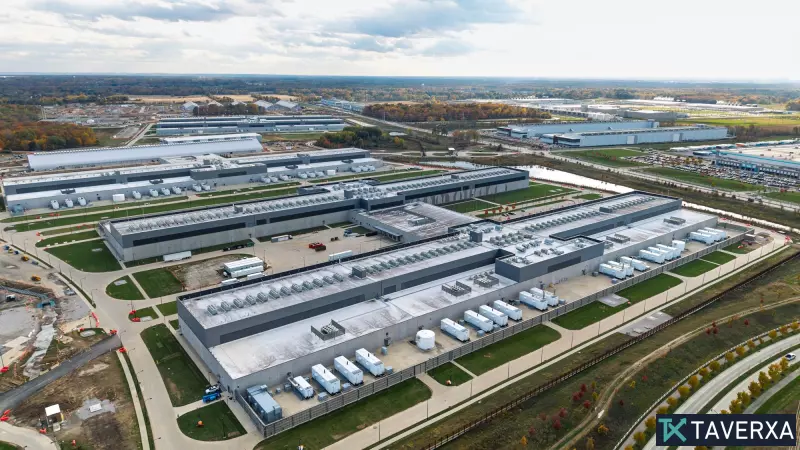
The Collision of AI Ambition and Local Reality
For the past few years, the narrative surrounding Artificial Intelligence has been one of unchecked growth. From the rise of Large Language Models (LLMs) to the integration of AI in every piece of consumer software, the digital gold rush has required a physical foundation: the data center. However, the AI boom has officially hit a wall. Across the United States, a growing number of state governments are considering—and in some cases, implementing—moratoriums and bans on new data center construction.
What was once welcomed as a source of high-tech jobs and economic investment is now being viewed by many residents and policymakers as an industrial menace. The friction arises from a simple reality: the massive computational power required to train and run AI models requires an unprecedented amount of electricity and water, often at the expense of the local community.
The Hidden Cost of the Cloud
The opposition to data center expansion isn't based on a dislike of technology, but rather on the tangible, negative externalities these facilities impose on their surroundings. Critics point to several key areas of concern:
- Resource Depletion: Data centers are notoriously thirsty. Cooling thousands of high-performance GPUs requires millions of gallons of water daily, often draining local aquifers and competing with agricultural needs.
- Energy Grid Strain: The electricity demand of a single large-scale AI facility can rival that of a small city. This surge in demand puts immense pressure on the power grid, which in turn drives up utility bills for nearby residential homeowners.
- Environmental and Noise Pollution: Constant noise from industrial-grade cooling systems and air emissions from massive backup diesel generators have turned quiet rural areas into industrial zones.
- Loss of Green Space: Fertile farmland and natural habitats are increasingly being paved over to make room for windowless, warehouse-sized server farms.
Texas Takes a Stand: The Lone Star State's Moratorium
In a significant blow to the industry, Texas Governor Greg Abbott recently announced a moratorium on all new data center approvals through the Public Utility Commission of Texas (PUCT) and the Electric Reliability Council of Texas (ERCOT). This move comes as the state seeks to conduct a comprehensive audit of existing requests to connect to the electric grid.
Governor Abbott emphasized that the safety and quality of life for Texans are the top priority, stating that any project failing to comply with state law or grid requirements must be denied. This signal from one of the most business-friendly states in the U.S. suggests that the industry's "growth at any cost" model is no longer sustainable.
A Growing Map of Resistance
Texas is far from alone. According to the National Conference of State Legislatures, several other states have introduced moratoriums or passed restrictive legislation to slow the pace of development:
- Vermont: Has implemented a moratorium on data centers until 2030, contingent upon an impact study.
- Georgia: Local governments are forbidden from permitting new data centers until December 2028.
- Virginia: A state already saturated with data centers, Virginia continues to prohibit final approvals until interconnection requests are fulfilled or until July 2028.
- Michigan: New permits are stalled until April 2027.
- New York: A one-year moratorium has been enacted for facilities exceeding 20 MW.
- Delaware: Permits for centers over 100 MW are paused until January 2027.
- Pennsylvania and South Carolina: Both have introduced pauses paired with requirements for comprehensive oversight frameworks or impact studies.
The Big Picture: An Unsustainable Trajectory?
The scale of the infrastructure boom is staggering. Data from Electric Choice indicates that over 4,500 active facilities currently operate across all 50 states, consuming roughly 4.4% of total U.S. electricity. With over 700 more under construction, energy consumption is projected to double by 2028, driven almost entirely by AI workloads.
While the tech giants continue to push for more capacity, the legislative pushback suggests a shift in the political wind. The future of AI may not depend on how many GPUs can be crammed into a warehouse, but on whether the industry can innovate its way toward energy efficiency and sustainable cooling before the remaining states follow suit and close their doors.