The Ultimate Summer Trek: 6 Breathtaking Long-Distance Trails Across Europe
Discover the 6 best long-distance walking trails in Europe for summer, from the Swiss Alps and Slovenian peaks to the rugged coasts of Ireland and Sweden.
Escape the Ordinary: The Allure of European Long-Distance Hiking
As the summer sun warms the continent, there is no better way to experience the raw beauty of Europe than by foot. While popular tourist hotspots often feel overcrowded, the continent's long-distance trails offer a sanctuary for those seeking solitude, physical challenge, and a deeper connection with nature. From the jagged peaks of the Swiss Alps to the salt-sprayed cliffs of the Atlantic coast, Europe's network of paths provides a diverse tapestry of landscapes for every kind of wanderer.
1. The Bernese Oberland: Switzerland’s Alpine Masterpiece
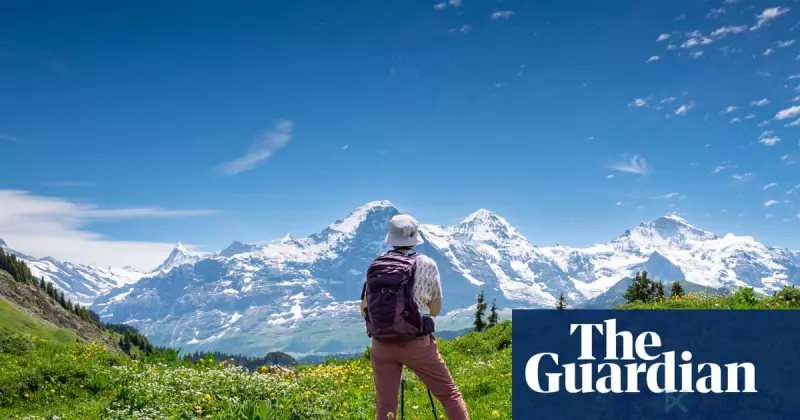
For those who crave dramatic verticality, the Jungfrau region in the Bernese Oberland is arguably the pinnacle of Alpine trekking. Here, the trio of Jungfrau, Mönch, and Eiger dominate the skyline, creating a backdrop of snow-capped giants and emerald valleys.
The Experience: The region is a playground of efficiency and beauty, where mountain railways and gondolas seamlessly connect hikers to high-altitude trails. A premier choice is the 74-mile, nine-stage loop starting from Grindelwald, which offers a moderate-grade challenge through a landscape of cascading waterfalls and picturesque villages.
Top Tip: If time is limited, prioritize the hike to Schynige Platte. With panoramic views spanning from the frozen peaks to the shimmering waters of Lakes Thun and Brienz, it is frequently cited as one of Europe's most rewarding day walks.
2. The Alpe Adria: From Austrian Peaks to the Adriatic Sea
The Alpe Adria is more than just a trail; it is a transcontinental journey spanning over 465 miles. It begins at the base of Grossglockner, Austria's highest peak, and descends toward the Mediterranean coast.
Slovenian Highlights: For a shorter, high-impact experience, focus on the Julian Alps in Slovenia. A six-day, 80-mile stretch from Kranjska Gora to Cividale del Friuli in Italy takes walkers through Triglav National Park and along the turquoise waters of the Soča River. This route blends natural splendor with poignant history, passing the bunkers of the Isonzo Front from World War I.
The Reward: The journey culminates in a final ascent over the Kolovrat mountain ridge, offering a breathtaking dual vista of Alpine summits and the distant blue horizon of the Adriatic Sea.
3. The Portuguese Coastal Way: A Serene Path to Santiago
While the Camino Francés is the most famous route to Santiago de Compostela, the Portuguese Coastal Way offers a refreshing, less-congested alternative. Stretching 170 miles from Porto, this pilgrimage is as much about the ocean as it is about spirituality.
The Route: The trail hugs the Atlantic coast, weaving through traditional fishing villages and stretching across blonde sandy beaches. After crossing the River Minho by boat into Spain, walkers continue toward Vigo before turning inland. The final leg leads through the therapeutic hot springs of Caldas de Reis and the famous pepper fields of Padrón.
Atmosphere: The Atlantic breezes provide a natural cooling system, making this route ideal for the height of summer, while the camaraderie of fellow 'peregrinos' remains strong.
4. The Lechweg: Tracking Europe’s Last Wild River
Water has a way of cooling the spirit and the skin, which is why the Lechweg is a superlative summer choice. This 78-mile route in Austria and Germany follows the River Lech, one of the last remaining wild, untamed rivers in Europe.
Nature’s Architecture: From its source at 1,793 meters near Formarinsee to the Lechfall waterfall in Füssen, the trail showcases a braiding river of turquoise water cutting through gravel plains and pine forests. Despite the feeling of utter wilderness, the infrastructure is world-class, earning it the 'Leading Quality Trail' designation.
Local Culture: The trail is punctuated by charming mountain towns where hikers can rest in historic inns and sample artisanal local cheeses and beers.
5. The Beara Way: Ireland’s Wildest Frontier
For those seeking a rugged, windswept escape, the Beara peninsula in South-West Ireland is a hidden gem. Far quieter than the neighboring Dingle or Iveragh peninsulas, Beara is a sanctuary of solitude.
Exploration: The full 128-mile loop begins and ends in Glengarriff, navigating a labyrinth of bog roads and narrow 'boreens'. Along the way, you'll encounter ancient stone circles, early Christian sites, and abandoned 19th-century copper mines.
Unique Detours: The region offers fascinating spin-off walks, including a trip via Ireland's only sea-crossing cable car to Dursey Island or a ferry to Bere Island, where Viking fortifications and Martello towers tell the story of a fortified coast.
6. Kuststigen: The Sapphire Shores of Sweden
Sweden's Kuststigen is not one single trail, but a collection of 44 exquisitely marked stages along the Bohuslän coast. It is a celebration of the Swedish archipelago, featuring pink granite outcrops and sapphire seas.
Recommended Segments: Stage 22 through the Ramsvikslandet nature reserve—known as the 'Kingdom of Rocks'—is a must-visit. For those staying in Gothenburg, a free ferry to Hönö allows access to the first three stages, blending flowery meadows with sandy beaches.
Timing Your Trip: To avoid the peak domestic holiday crowds of July, aim for late August or early September. The air remains mild, and the coast returns to a peaceful, meditative state.