The Burnham Effect: Can a Vibe Shift Save Labour's Future?
Andy Burnham’s shift in political style offers the Labour Party a potential lifeline, but his success hinges on his ability to provide hope and execute structural reform.
A New Direction for Labour
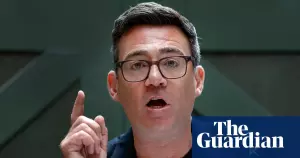
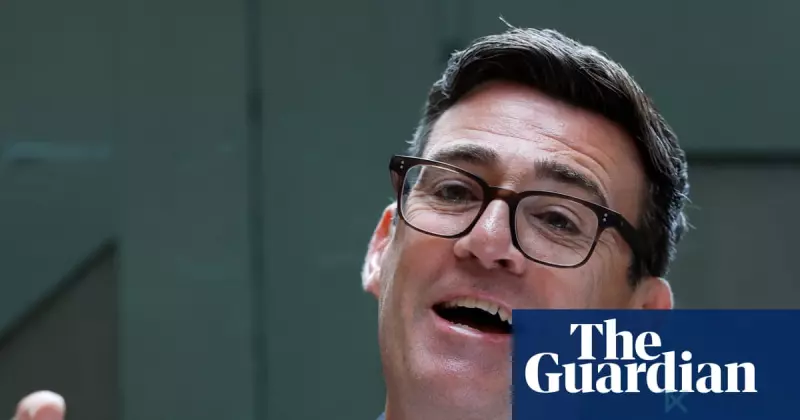
As the political landscape in Britain faces a period of profound uncertainty, the recent emergence of Andy Burnham as a potential leader has injected a new, distinct energy into the Labour Party. While outgoing leadership has been associated with a rigid, traditional approach, Burnham’s public appearances—marked by a casual, relatable aesthetic and a focus on grassroots connection—signal a deliberate 'vibe shift' aimed at reconnecting with a disillusioned electorate.
The Three Pillars of Distinction
Labour insiders have identified three primary areas where Burnham aims to differentiate his leadership from that of his predecessor, Sir Keir Starmer: communicative power, argumentative clarity, and the restoration of hope. Critics argue that the previous administration struggled to land its message, often focusing on bureaucratic necessity rather than a vision for the future. Burnham’s recent discourse suggests a departure from this, prioritizing an emotional dialogue with voters who feel left behind by the Westminster bubble.
Delivering a Radical Vision
At the heart of Burnham's agenda is a proposed massive devolution of power and resources. He argues that the British political system is fundamentally 'broken' and requires a complete overhaul to function for the average citizen. By aiming to establish a 'No 10 North', he intends to create a 'nerve centre' for a rewired Britain, promising to move the levers of government closer to the communities they serve.
The Challenges Ahead
Despite the initial polling boost—which saw Labour jump from trailing Nigel Farage’s Reform UK to gaining a lead—the road ahead is fraught with difficulty. Questions remain regarding whether Burnham can successfully implement his radical devolution agenda through the entrenched halls of Whitehall. Furthermore, his reluctance to engage in immediate, rigorous media scrutiny has raised eyebrows, with many observers waiting to see how he performs when the pressure of Downing Street truly descends. Whether this shift represents a sustainable path to electoral success or simply a temporary boost remains the most pressing question in British politics.
Related Posts