Starmer Unveils £15bn Defence Investment Plan Amid Warnings to Successor
Prime Minister Keir Starmer reveals a £15bn defence investment plan while warning successor Andy Burnham against using borrowing to fund military expansion.
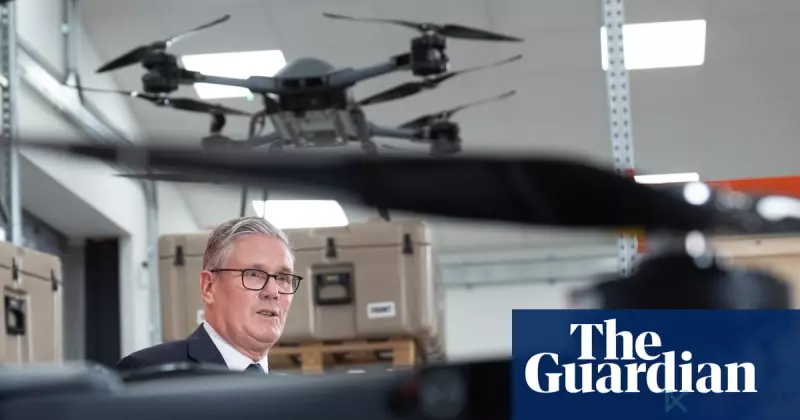
A Strategic Shift in Spending
Prime Minister Keir Starmer has officially unveiled a long-awaited £15bn defence investment plan, aiming to bolster the United Kingdom's military capabilities over the next four years. This announcement follows an arduous 11-month period of internal government debate and signifies a pivotal, if controversial, reallocation of national resources.
Sacrificing Infrastructure for Defence
The additional £15bn, which sits on top of the previously allocated £283bn, is being sourced by redirecting funds from various capital projects, including national road and energy schemes. While the administration frames this as a necessary move to ensure national security, the decision has drawn criticism due to the potential suspension or cancellation of vital infrastructure developments. Furthermore, reports indicate that the government is scaling back on planned upgrades to military family housing—a move that contrasts with previous pledges to renovate over 40,000 service homes.
The 'No Borrowing' Mandate
Addressing the political transition, Starmer issued a firm directive to his likely successor, Andy Burnham. Rejecting calls from some party factions to implement 'defence bonds' or other forms of debt-based funding, the Prime Minister insisted that increasing national borrowing is not a viable path. He argued that such measures would inflate interest rates and burden the economy, stressing that any further increases in defence spending must be managed within strict fiscal parameters.
Allocation of Funds
The investment package includes:
- Nuclear Projects: Over £63bn earmarked for the Dreadnought and Aukus submarine programmes.
- Aviation: More than £8bn for the GCAP stealth fighter jet project and the acquisition of a new squadron of F-35A jets capable of carrying nuclear payloads.
- Drone Technology: An injection of over £5bn to advance the UK’s unmanned aerial vehicle capabilities.
Future Implications
Despite the significant capital injection, some military leaders have expressed concern that the funding remains below the levels requested by the Ministry of Defence, which had lobbied for an additional £28bn. With the Prime Minister set to step down in July, the long-term commitment to reaching a target of 3% of GDP for defence spending remains a core challenge for the incoming administration.