The Burnham Blueprint: A Radical Vision for a Decentralized Britain
Explore Andy Burnham's comprehensive plan for a decentralized Britain, featuring new regional powers, an end to trickle-down economics, and a massive housing drive.
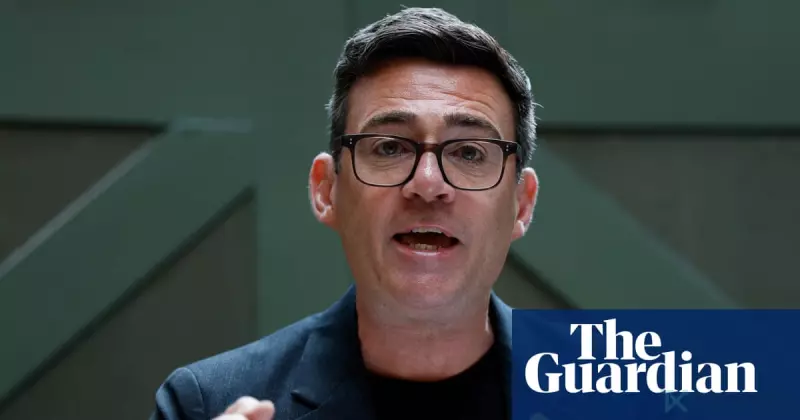
In a defining speech at Manchester’s People’s History Museum, Andy Burnham, widely considered the frontrunner to be Britain’s next prime minister, has unveiled an ambitious economic and political roadmap aimed at reversing decades of centralisation. Burnham’s platform marks a stark departure from conventional Westminster management, advocating for a fundamental redistribution of power and a complete overhaul of the state's relationship with the economy.
The Shift to True Devolution
At the core of Burnham’s strategy is a radical devolution of authority. Criticizing the current system as the most centralised within the G7, he proposed shifting power away from Whitehall to regional hubs. By establishing a 'No 10 North' in Manchester, he aims to decentralize decision-making on critical issues such as industry, skills, and taxation. This 'by default' transfer of power is designed to ensure that regional governments possess the agency to drive growth tailored to their specific economic needs, rather than navigating a complex, centralized application process.
Rethinking Governance and the Treasury
Burnham highlighted a growing dissatisfaction with the 'adversarial' culture currently plaguing Westminster. He vowed to move away from rigid whip systems, arguing that empowering backbenchers to act on local needs is essential for political health. Furthermore, he signaled a potential challenge to the dominance of the Treasury, suggesting that the current institutional structure often acts as a drag on growth—a move that echoes long-standing debates regarding the division of the Treasury to prevent economic bottlenecking.
Moving Beyond Trickle-Down Economics
Burnham explicitly rejected the 'trickle-down' economic policies that have dominated UK politics since the 1980s. Instead, he proposed a strategy centered on public-led investment and the expansion of the state’s role in essential sectors, including energy, water, and transport. Inspired by the successful renationalization of the Greater Manchester bus network, his vision involves giving local authorities greater public control over utilities to lower costs and improve service reliability.
A Housing and Industrial Revolution
Central to his plan is the most significant council house building initiative since the postwar era. Linking the current social housing crisis to long-term economic stagnation, Burnham argues that affordable, secure housing is a prerequisite for a productive workforce. Simultaneously, his strategy focuses on 'reindustrialisation,' with a promise to safeguard sovereign production in key sectors like steel and defence, aiming to counter the economic decline that has historically fueled regional inequality.
Education and Future-Proofing
Burnham also outlined an educational overhaul that moves beyond the traditional university-centric model. He emphasized the necessity of technical education and better vocational support for the million-plus young people currently not in education, employment, or training. By integrating mental health support directly into the workplace and giving mayors more control over employment schemes, he intends to create a more resilient and inclusive labor market.
Despite these ambitious plans, Burnham maintained that his reforms would be strictly governed by fiscal discipline. By pledging adherence to current fiscal rules, he aims to reassure bond markets while simultaneously pushing forward a transformative agenda for a 'rewired' Britain.
Related Posts