RAMpocalypse Lawsuit: Samsung, SK Hynix, and Micron Accused of AI-Driven Price Fixing
Samsung, SK Hynix, and Micron face a major class-action lawsuit accusing them of price fixing and using the AI boom to artificially inflate RAM costs.
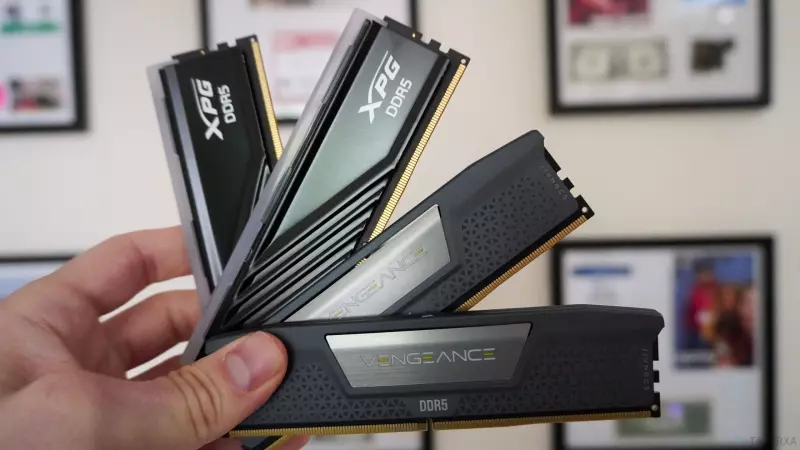
A new class-action lawsuit has been filed against the world’s three largest memory manufacturers—Samsung, SK Hynix, and Micron—alleging a massive, coordinated price-fixing scheme that has inflated the cost of RAM and storage components for consumers. The legal action, led by a coalition of individuals and small businesses, argues that these industry giants exploited the recent 'AI gold rush' to artificially restrict supply and inflate global prices.
The 'RAMpocalypse' Explained
Throughout 2026, the technology industry has faced what many call a 'RAMpocalypse.' This surge in component costs has directly impacted everyday consumers, with price hikes observed in everything from high-end laptops and iPads to pre-built desktop computers. According to the lawsuit, the price surge is not merely a result of market supply and demand driven by the AI data center boom, but a calculated effort to gouge the market.
Accusations of Market Manipulation
The plaintiffs claim that the 'big three' memory makers, who control approximately 90% of the global DRAM market, acted in collusion to manipulate market availability under the guise of an AI infrastructure shortage. The legal complaint suggests that the memory manufacturers strategically shifted around 80% of their manufacturing capacity toward high-bandwidth memory (HBM) to maximize profits, intentionally starving the consumer market to drive up retail costs.
A History of Antitrust Allegations
This is not the first time these companies have faced such accusations. In 2005, following the dot-com bubble, both Samsung and SK Hynix pleaded guilty to a major price-fixing operation that resulted in over $700 million in fines. The new lawsuit leverages this historical context, arguing that these companies have a well-documented pattern of anti-competitive behavior.
The Industry Defense
Samsung, SK Hynix, and Micron maintain that their shift in production is a standard business response to the unprecedented demand from cloud hyperscalers like Amazon, Google, and Microsoft. With major facility expansions already underway in South Korea and the United States, the memory makers argue that the 'shortage' is a reflection of a changing landscape where high-margin enterprise demand takes precedence over traditional retail supply chains.
Will the Plaintiffs Prevail?
Legal experts note that the case faces a difficult uphill battle. Proving direct collusion requires more than just circumstantial evidence—it requires a 'smoking gun,' such as internal communications indicating a coordinated effort to suppress supply. However, the timing of the suit is significant, as public and regulatory frustration with rising tech costs continues to grow. If Bathaee Dunne LLP, the firm representing the plaintiffs, can successfully uncover evidence of intentional market starvation, this could become one of the most consequential antitrust trials in the tech industry this decade.