Mastering Hydration: How to Stay Safe and Cool During a Heatwave
Struggling to stay hydrated in a heatwave? Learn the science behind cooling down, whether you really need electrolytes, and the best ways to keep your fluids balanced.
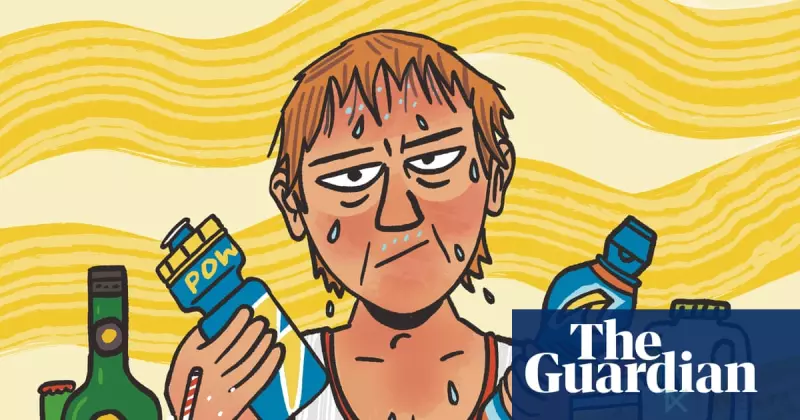
As global temperatures continue to climb, staying properly hydrated has moved from a daily wellness habit to an essential survival strategy. When temperatures reach extreme levels, the body faces a significant challenge in regulating its internal climate, making understanding the nuances of fluid intake more critical than ever.
The Science of Cooling Down
Our bodies are in a constant state of internal heat production. As Dr. Lewis James of Loughborough University explains, nearly 80% of the energy our cells consume is released as heat. Under normal conditions, our bodies dissipate this through radiation and convection. However, when the ambient temperature approaches or exceeds 35°C, these methods fail, leaving sweating as the primary defense. As we lose water through perspiration, we must replenish it to prevent the body's internal cooling systems from faltering.
Warning Signs of Dehydration
Waiting until you feel thirsty is a common mistake; by the time thirst strikes, you have likely already lost 1-2% of your body mass in fluids. Early signs of mild dehydration—which can significantly impair cognitive and physical performance—include headaches, fatigue, and a decline in concentration. The most effective, non-invasive method for monitoring hydration is the 'pee test.' Dark, concentrated urine typically signals that the body is conserving water, while pale, clear output suggests proper hydration levels.
Optimal Hydration Habits
Instead of "guzzling" massive amounts of water in the morning, experts recommend a consistent approach. A good baseline is to consume 300-500ml of water first thing in the morning to offset losses during sleep. Throughout the day, pairing water intake with meals can improve absorption and prevent the sudden flushing of fluids through the system. For those exercising, aim for 500-750ml per hour of activity, ideally consumed in a way that allows the kidneys time to process the intake.
Myth-Busting: Tea, Coffee, and Alcohol
There is a common misconception that caffeine is a potent diuretic. In reality, the mild diuretic effect of tea and coffee is negligible for most people. Similarly, while alcohol is a stronger diuretic that suppresses the body's anti-diuretic hormones, one drink may be harmless. Regarding temperature, hot drinks like tea can actually trigger a cooling response by activating heat receptors that signal the body to dilate skin vessels and increase sweat rate, provided the environment allows for sweat evaporation.
Do You Need Electrolytes?
Despite aggressive marketing, most individuals do not require specialized electrolyte drinks for basic daily hydration. Electrolytes—found naturally in bananas, fruits, and vegetables—are generally sufficient for the average person. However, for those engaging in intense physical activity for over an hour, or those sweating heavily, electrolytes can help prevent hyponatremia (a dangerous dilution of blood sodium levels). Instead of expensive supplements, focus on a balanced diet rich in potassium and sodium through foods like spinach, sweet potatoes, and avocado.