Bonded by Trauma: How a Refugee Detention Protest Transformed a Casual Romance into a Lifelong Partnership
Discover how witnessing human trauma at the Woomera refugee detention centre transformed a casual relationship into a lifelong emotional sanctuary for Liza Shaw and Rohan Wightman.
An Unconventional Beginning
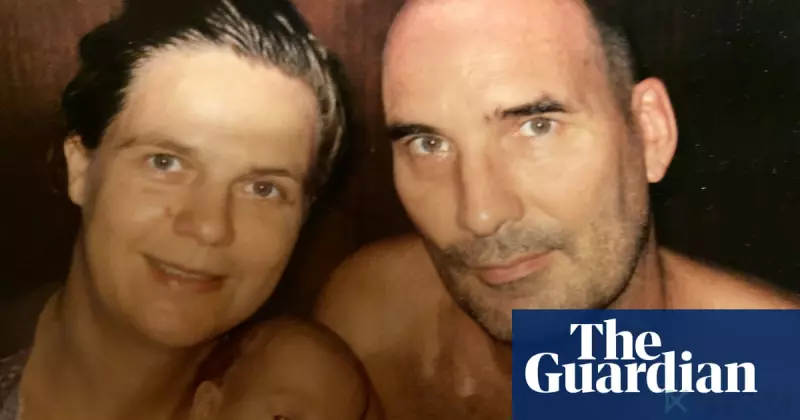
The story of Liza Shaw and Rohan Wightman began not with a spark of romantic passion, but with a shared sense of intellectual curiosity and non-conformity. Meeting in 1998 in Lismore, New South Wales, while attending university, the two were initially drawn together by their mutual interests in politics and a rebellious approach to societal norms. Rohan, described as a 'dandyish' figure often seen in sarongs, peacock feather earrings, and occasionally dresses on campus, stood out as a beacon of individuality.
Their early relationship was defined by a platonic yet deep bond. As housemates, they spent countless nights hosting dinner parties that served as forums for debating life and political theory. Liza recalls being intrigued by Rohan's eclectic circle of friends, which included figures as provocative as members of the Black Panthers, further cementing their shared ideological alignment.
The Shift from Casual to Connected
For a period, the pair drifted apart as Rohan moved to Lamb Island in Queensland. However, fate intervened in 2001 during a May Day rally in Naarm. Reconnecting in a whirlwind of folk-punk music and city excitement, the two shared a brief, casual intimacy. At the time, Liza viewed their connection as convenient and lighthearted, unaware that a journey to the South Australian desert was about to rewrite the trajectory of their lives.
The Crucible of Woomera
The turning point occurred when Liza and Rohan embarked on a road trip to protest the Howard government's refugee detention center at Woomera. This was not a mere political outing; it was an immersion into human suffering. Liza served as a first-aid provider for injured protesters, while Rohan focused on the logistics of the protest camp.
The environment was fraught with tension. On their first night, police raids left them on edge and sleep-deprived. As the days progressed, they witnessed the harrowing desperation of refugees attempting to escape through fences. One particularly poignant moment saw a mother desperately passing her child through a small gap in the fence to Rohan—an image of vulnerability and desperation that left a lasting mark on both of them.
Finding a 'Safe Space' in the Aftermath
The emotional weight of the Woomera experience culminated in a quiet, raw moment of vulnerability. After the protests concluded, Liza and Rohan checked into a hotel in Port Augusta. There, stripped of their political armor, they held each other and wept. This collective release of trauma provided a profound realization for Liza: Rohan was not just a political ally, but a source of deep emotional sanctuary.
"I had a feeling of Rohan being my safe space where I could share this release and catharsis," Liza reflects. It was the moment she realized that their relationship possessed the rare capacity for profound emotional support, transcending the casual nature of their previous encounters.
A Legacy of Compassion
More than two decades later, the bond forged in the desert remains steadfast. The couple has since lived in Darwin and traveled throughout Asia before settling in Castlemaine. While the intensity of active protesting shifted as they entered the demanding years of parenthood with their daughter, Ksenya, their commitment to the community has remained constant.
Rohan has dedicated his career to teaching in disadvantaged schools, while Liza works as a health promotion officer. Their partnership continues to be defined by a rejection of toxic masculinity and a shared spirit of adventure. For Liza, the essential truth remains: after twenty years and a lifetime of change, Rohan is still the 'safe space' she discovered in the wake of tragedy.