US Justice Department Rejects New Mexico’s Demand for Unredacted Epstein Records
The US Justice Department has refused New Mexico's request for unredacted Epstein files, citing federal law and victim privacy, sparking accusations of obstruction from state officials.
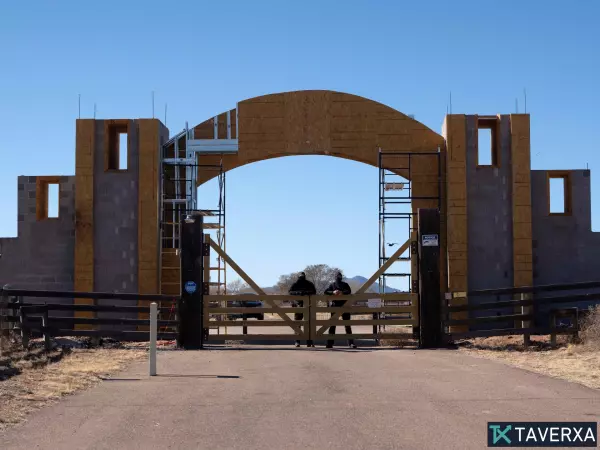
The U.S. Department of Justice (USDOJ) has officially denied a request from the State of New Mexico to release unredacted files concerning the late convicted sex offender Jeffrey Epstein. The standoff highlights a growing tension between state-level investigators and federal authorities regarding the transparency of the Epstein case, which has lingered as a point of controversy for the current administration.
The Legal Impasse
In a recent statement released via social media, the Justice Department maintained that it cannot fulfill the request made by New Mexico Attorney General Raul Torrez. The federal agency cited strict adherence to existing legal frameworks, noting that releasing millions of documents in an unredacted format would violate federal law, court-ordered privacy protections, and the rights of victims and witnesses involved in the wide-ranging investigation.
Allegations of Obstruction
Attorney General Torrez has been vocal in his criticism, accusing the Trump administration of actively hindering New Mexico’s independent criminal investigation. According to the state’s office, the federal government’s refusal to turn over vital, unredacted records is a 'deliberate choice' that threatens the integrity of the state’s probe into alleged abuses that occurred at Epstein’s infamous Zorro Ranch. 'Every day the USDOJ withholds these records, the case that could be brought on behalf of New Mexico survivors becomes more difficult to make,' Torrez stated, citing concerns over lost evidence and the fading memories of traumatized victims.
A Cloud of Suspicion Over Zorro Ranch
New Mexico investigators are specifically looking into allegations of human trafficking and sexual abuse at the Zorro Ranch, located south of Santa Fe. Previous, partial releases of files have contained disturbing, albeit unverified, reports regarding sexual abuse and the alleged burial of foreign nationals on the property. Survivors, including the late Virginia Giuffre, have long contended that these criminal activities were never fully scrutinized by federal authorities.
The Ongoing Transparency Debate
Despite the passage of the Epstein Files Transparency Act, which mandated the release of relevant records within a 30-day window, critics argue that the administration has fallen short of its transparency commitments. The massive volume of documents released earlier this year contained significant redactions, leading some observers to speculate that the federal government may be shielding powerful individuals connected to Epstein’s orbit. While the Department of Justice insists it is operating under the rule of law, the frustration in New Mexico suggests that the battle for access to these files is far from over.