Trump Defies Calls to Curb ICE Traffic Stops Following Deadly Shootings
President Trump rejects calls to suspend ICE traffic stops despite back-to-back fatal shootings involving federal immigration agents in Maine and Texas.
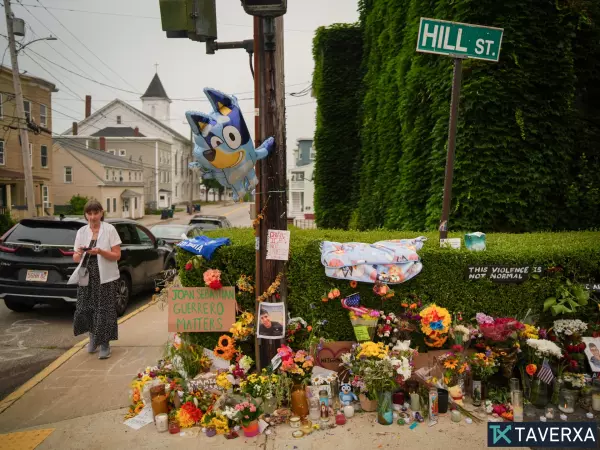
President Donald Trump has publicly challenged efforts to scale back Immigration and Customs Enforcement (ICE) traffic stops, just one day after agency leadership signaled a temporary suspension of the controversial tactic. The pushback comes amid a firestorm of criticism following the deaths of two individuals during immigration enforcement operations in Maine and Texas.
A Divided Strategy on Enforcement
In a social media statement, the President lauded ICE agents for their service while doubling down on the necessity of traffic stops, labeling them one of the 'most important and effective' tools for maintaining public safety and executing his mass deportation initiative. Trump’s firm stance contrasts with the position of his own border czar, Tom Homan, who had initially described a 'short-term review' of the agency's traffic stop protocols to ensure officer safety and procedural accountability.
Mounting Fatalities and Public Outcry
Recent escalations in lethal force have sparked national concern. On Monday, 25-year-old Johan Sebastian Duran Guerrero was fatally shot in Biddeford, Maine, by ICE agents. This followed a similar incident just six days prior in Houston, where 52-year-old Lorenzo Salgado Araujo was killed during an encounter with federal agents. In both cases, the Department of Homeland Security claimed the individuals posed a threat by 'weaponizing' their vehicles—a claim that has been met with skepticism from local witnesses and the families of the deceased.
Pressure for Reform
Advocacy groups and lawmakers, including Maine Senator Susan Collins, have called for an immediate cessation of non-urgent vehicle stops. Data from the Associated Press indicates that at least 10 people have lost their lives during federal immigration operations since early 2025. With ICE relying more heavily on these stops as immigrants increasingly refuse to open their doors without judicial warrants, the agency finds itself at the center of a growing legal and ethical debate over the limits of federal enforcement power.