Syria’s Power Grid: A Fragile Recovery Amidst Economic Turmoil
Syria sees improvements in state-supplied electricity following political changes, but high costs and economic instability continue to challenge residents.
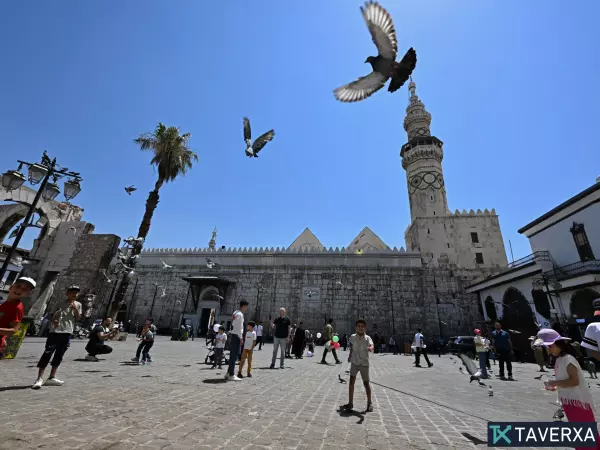
In the streets of Damascus, a subtle shift is underway. For the first time in years, residents are reporting a tangible improvement in the consistency of the state-supplied electricity grid. Following the political transformation that concluded with the end of the Assad era in 2024, the nation is slowly grappling with the colossal task of rebuilding its shattered infrastructure.
A Flicker of Stability
For many years, Syrians endured life in the dark, with power cuts lasting for hours on end, forcing a reliance on expensive, polluting diesel generators and makeshift solar setups. Today, locals report receiving five to six hours of continuous supply before a scheduled outage. While far from the constant, reliable energy enjoyed by more stable economies, this progress represents a significant psychological and economic relief for shop owners like Nasri Tadros, who once struggled to power even basic appliances.
The Road to Energy Recovery
The path forward is paved with both international intervention and domestic strategy. In June 2025, the World Bank injected $146 million into Syria's energy sector to modernize infrastructure. Simultaneously, the consolidation of oil-producing regions in the northeast has allowed the government to ramp up output from 10,000 to nearly 100,000 barrels per day. Strategic energy deals with Azerbaijan, Jordan, Egypt, and a multi-billion-dollar pact with international firms have begun to diversify the country’s energy portfolio, moving it away from a total dependence on legacy systems.
The Human Cost of Progress
Despite these technical gains, the reality for the average Syrian remains grim. With nearly 90% of the population living below the poverty line, the cost of transitioning to renewable energy—such as the increasingly popular home solar panel systems—is prohibitively high.
'Electricity is a dream,' remarked one local merchant who preferred to remain anonymous. This sentiment highlights the disconnect between high-level policy successes and the daily struggle of the populace. Bureaucratic friction, internal management disputes at the Syrian Petroleum Company, and persistent fuel shortages continue to act as major roadblocks. While the lights are staying on longer, the expense remains a heavy burden on a nation struggling to rebuild its shattered economy.