Indonesia’s Jailing of Gojek Founder Nadiem Makarim Sparks Investor Unease
The sentencing of Gojek founder Nadiem Makarim to 10 years in prison for corruption has sparked major concerns over investor confidence and legal certainty in Indonesia.
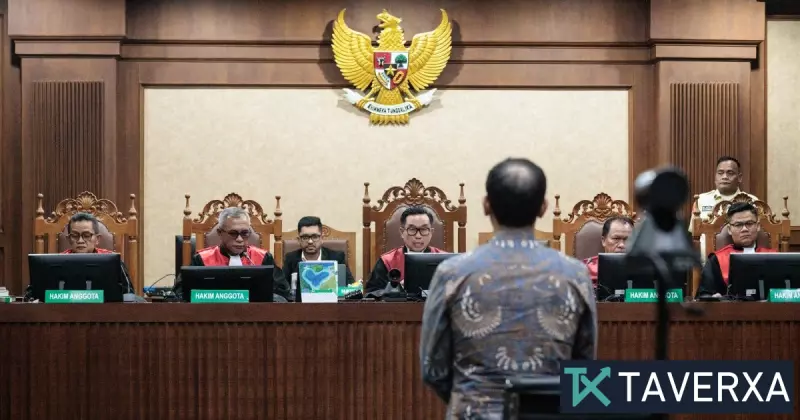
The imprisonment of Nadiem Makarim, the celebrated co-founder of the tech giant Gojek and former Indonesian Minister of Education, has sent shockwaves through the Southeast Asian business community. Convicted on June 30, 2026, for his alleged role in a corrupt procurement scandal, Makarim’s 10-year sentence has raised critical questions regarding the trajectory of Indonesia’s legal landscape and the stability of its investment climate.
The Charges and the Controversy
The case centers on a multi-million dollar procurement project for Chromebook laptops intended for Indonesian schoolchildren during the COVID-19 pandemic. Prosecutors claimed that Makarim manipulated tender specifications to favor Google, a former investor in his company, despite the devices being ill-suited for rural regions with unreliable internet connectivity. The prosecution estimated state losses at approximately $120 million.
While Google has officially denied any wrongdoing, the trial has become a flashpoint for critics who view it as a symptom of potential political retribution under President Prabowo Subianto’s administration.
Impact on Foreign Investment
The verdict arrives at a precarious time for Indonesia. With the national currency facing historic lows against the US dollar and skepticism surrounding the administration’s populist economic policies, the international business community is watching closely. Experts, including researchers from the Centre for Strategic and International Studies (CSIS), warn that the case undermines 'legal certainty'—a fundamental requirement for global capital.
'The Nadiem case serves as a warning signal,' says Nicky Fahrizal, a CSIS analyst. 'Investors are looking for transparent, predictable systems, and this verdict complicates that narrative.'
A Divided Legal View
Despite the sentencing, the trial was not without dissent. One of the presiding judges issued a minority opinion, highlighting a lack of concrete evidence linking Makarim to malicious intent. Some legal experts, like I Gusti Ngurah Bayu Pradana, argue that the verdict should be interpreted as proof that the Indonesian judiciary is capable of holding high-profile figures accountable. They suggest that as long as contracts remain transparent, the legal system serves as a stabilizer rather than a deterrent.
The Future of Indonesian Tech
For a generation that saw Makarim as the face of Indonesia’s startup boom, the conviction is a sobering turning point. Whether this case leads to a permanent 'brain drain' of talent or forces a more rigorous approach to governance in the tech sector remains to be seen. As Indonesia navigates this 'critical juncture,' the world waits to see how the Prabowo administration balances its anti-corruption rhetoric with the need to foster a pro-business environment.