India-UK Trade Deal: A New Era of Economic Cooperation and Tariff Reductions
India and the UK have launched a major trade agreement (CETA). Learn how it lowers tariffs on goods, aids professionals, and impacts consumer prices in both nations.
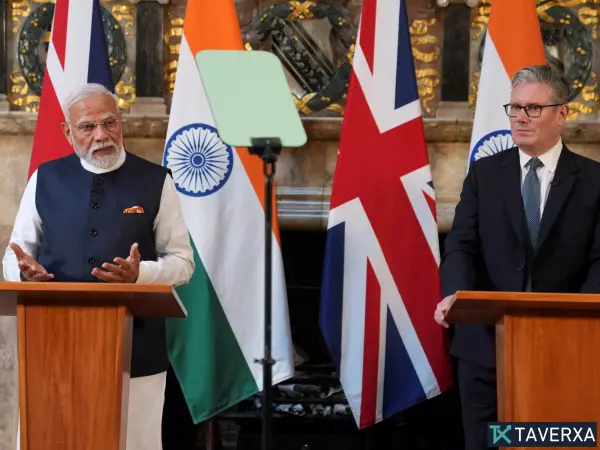
The Comprehensive Economic and Trade Agreement (CETA) between India and the United Kingdom has officially come into effect, marking a pivotal moment in bilateral relations. Signed by Prime Minister Narendra Modi and his British counterpart Keir Starmer, the deal aims to foster deeper economic integration by significantly reducing trade barriers and expanding market access.
Impact on Trade and Tariffs
The agreement is highly ambitious, with the UK set to remove tariffs on over 96 percent of its tariff lines, covering nearly 98 percent of trade value. For India, this translates into immediate duty-free access for critical export sectors including textiles, leather, jewelry, marine products, and various processed foods. Conversely, India is moving to reduce or eliminate duties on roughly 90 percent of UK-origin imports, providing British businesses with a competitive edge in the rapidly growing Indian market.
Consumer Benefits: What Becomes Cheaper?
Consumers in both nations are expected to see the immediate effects of these tariff cuts. For Indians, popular British imports—such as fine whiskies, premium chocolates, luxury cosmetics, and certain automotive components—are likely to see price reductions. For British consumers, the influx of Indian textiles, spices, and high-quality leather goods will become more affordable, enhancing the diversity of available retail products.
Professional Mobility and Services
Beyond physical goods, the deal acts as a massive catalyst for the service sector. Under the new agreement, over 75,000 professionals and nearly 1,000 companies are expected to benefit from streamlined visa and mobility processes. The agreement simplifies temporary work arrangements, most notably by exempting Indian professionals from National Insurance contributions in the UK for a period of five years. This is expected to bolster collaboration in high-growth fields like IT, telecommunications, financial services, and consultancy.
Exclusions and Sensitive Sectors
Despite the broad scope of the CETA, both governments have strategically protected sensitive industries. Products such as dairy, sugar, eggs, and poultry remain excluded from the tariff cuts to protect local agricultural interests. Furthermore, specific sensitive categories, including certain gold bars, smartphones, walnuts, and apples, have been kept off the list of tariff reductions to ensure domestic market stability.