Silent Killer: Unprecedented UK Heatwaves Linked to Over 2,700 Deaths
New research reveals over 2,700 heat-related deaths in the UK during May and June heatwaves, highlighting the lethal impact of climate change on public health.
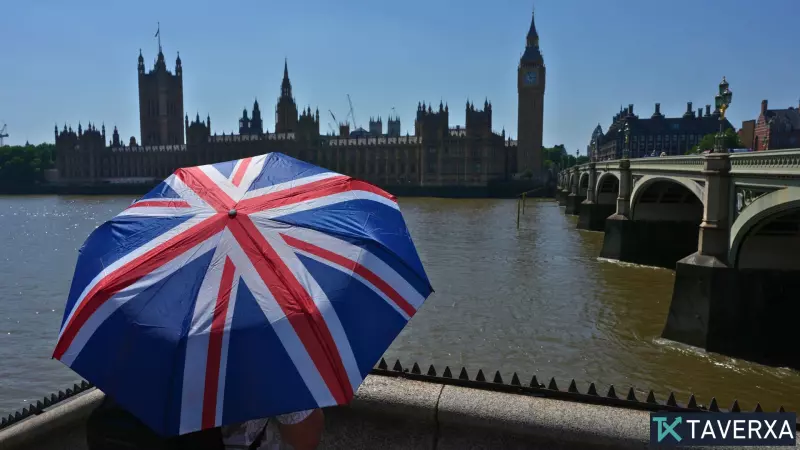
A Deadly Summer: The Human Cost of Extreme Heat
Recent scientific data has revealed a staggering toll from the United Kingdom's extreme weather patterns this year. More than 2,700 deaths across England and Wales have been linked to unprecedented heatwaves that struck during May and June. The findings, published in a collaborative study, underscore a growing public health crisis as the UK grapples with temperatures that far exceed historical norms.
The mortality data shows two distinct spikes in heat-related deaths. Between May 21 and May 29, scientists estimated 550 deaths occurred. This was followed by an even more severe period between June 18 and June 28, during which nearly 2,200 people lost their lives. These figures highlight the lethal nature of rapid temperature spikes in a population and infrastructure not designed for extreme heat.
Record-Breaking Temperatures and Climate Attribution
The heatwaves of this year were not merely unusual; they were record-breaking. England witnessed peaks of 35.1°C (95.2°F) in May and a blistering 37.7°C (99.9°F) in June. Mark McCarthy, science manager at the Met Office’s climate attribution team, described these events as "exceptional," noting that the timing and early occurrence of such high temperatures are particularly alarming.
Research conducted by Imperial College London, the Met Office, and the London School of Hygiene and Tropical Medicine suggests that global warming played a decisive role. Scientists estimate that maximum daytime temperatures were up to 4°C (7.2°F) higher than they would have been in a world without human-induced climate change, making these events more frequent and intense.
Infrastructure Failures and the 'Unready' Nation
The crisis has exposed significant vulnerabilities in the UK's infrastructure. The Climate Change Committee (CCC) had previously warned the British government that the country was "not ready" for the consequences of a warming planet. This lack of preparedness is most evident in the domestic sector; a report from May estimated that a staggering 92 percent of British homes could be dangerously too hot by 2050.
Lea Berrang Ford of the UK Health Security Agency (UKHSA) emphasized that this research serves as a critical illustration of the scale of risk associated with extreme heat. To mitigate future tragedies, health experts and the CCC are urging the government to:
- Implement maximum temperature limits within workplaces.
- Invest heavily in air conditioning for critical public buildings, including schools and hospitals.
- Update urban planning to include more cooling centers and green spaces.
A Continental Crisis: The Wider European Context
The UK's tragedy is part of a larger, more devastating trend across Western Europe. Data from EuroMOMO—a network supported by the World Health Organization and the European Centre for Disease Prevention and Control—indicates that more than 10,000 excess deaths were recorded across Europe during the late June heatwaves. The vast majority of these fatalities (approximately 9,000) were among individuals aged 65 and above, proving that the elderly are disproportionately vulnerable to heat stress.
As the UK Health Security Agency prepares to release official death records in the coming weeks, the current findings serve as a grim reminder that climate change is no longer a future threat, but a present-day health emergency.