Saving Shea: How a Ugandan Social Enterprise Turns Waste into Clean Energy
Discover how the Moyao Africa Initiative in Uganda is fighting deforestation by turning discarded shea husks into sustainable, clean-burning cooking fuel.
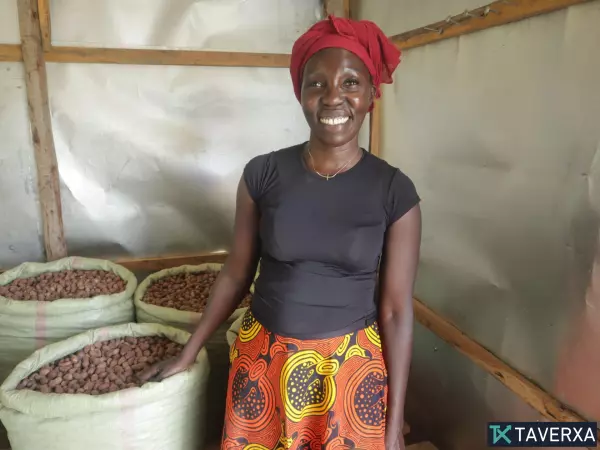
In the heart of northern Uganda, the indigenous shea tree—locally known as 'moyao'—is under siege. Decades of deforestation driven by an insatiable demand for charcoal have decimated forests, stripping landscapes of vital trees. However, Lucy Everlyn Atim, a climate activist, is spearheading a transformative movement in Alebtong, proving that economic survival and environmental conservation can go hand-in-hand.
The Crisis of Charcoal
Uganda loses an estimated 122,000 hectares of forest annually, with 90 percent of households relying on charcoal for daily cooking needs. The shea tree, prized for its butter, has become a primary target for charcoal burners. Research from Makerere University indicates a alarming decline in mature shea populations, exacerbated by the fact that illegal logging often uproots entire trees, leaving no hope for regeneration.
The Moyao Africa Initiative: A Circular Solution
Inspired by a sustainable fuel model she encountered in South Sudan, Atim founded the 'Moyao Africa Initiative' in 2023. The organization focuses on the circular economy: collecting discarded shea husks—previously treated as useless waste—and processing them into high-energy cooking briquettes.
The process is labor-intensive but community-focused: women from local savings groups collect husks, crush them, and bind them with clay and cassava flour. These briquettes provide a smokeless, efficient, and affordable alternative to charcoal, effectively curbing the incentive to chop down living trees.
Empowering Women and Protecting Forests
Beyond energy production, the initiative is a tool for economic empowerment. By training over 1,200 women to produce and sell both shea butter and fuel briquettes, the project provides a stable income stream that discourages resource-destructive activities. As Catherine Akello, a local group leader, notes, "I don’t have to worry about buying charcoal anymore because I make my own."
Scaling for the Future
Atim’s goal is to scale production by acquiring specialized machinery, including a carboniser and a crusher. This investment would increase the enterprise’s capacity to support year-round demand. With the backing of environmental experts like Bosco Odyek, the initiative is setting a standard for how local, indigenous-led solutions can tackle the global climate crisis. By integrating school environmental clubs and reforestation efforts with the National Agricultural Research Organisation (NARO), the Moyao Africa Initiative is not just saving trees; it is fostering a community-wide cultural shift toward preservation.