Samsung Confirms Development of Galaxy Ring 2 with Potential iOS Support
Samsung has confirmed development of the Galaxy Ring 2, focusing on battery and sensor upgrades, with hints of potential iOS compatibility.
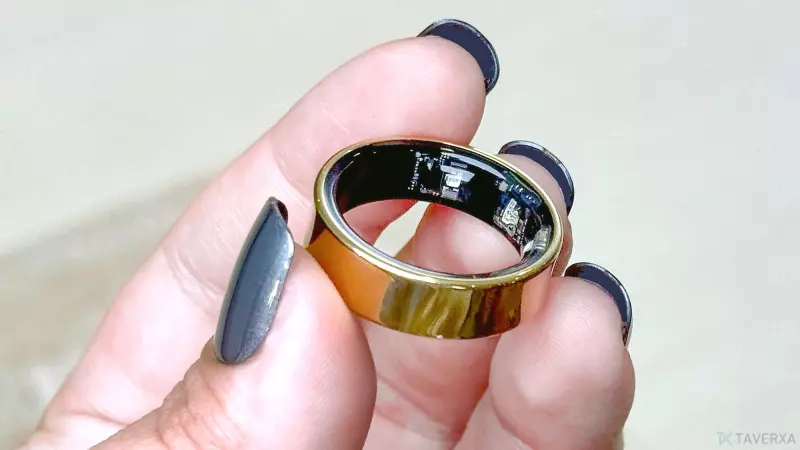
Samsung has officially confirmed that the highly anticipated successor to its first-generation smart ring, the Galaxy Ring 2, is currently in active development. Since the launch of the original model in July 2024, the wearables market has evolved significantly, with competitors like Oura pushing the boundaries of miniaturization and battery longevity. In a recent report published by Forbes, Dr. Hon Pak, Samsung's head of digital health, shed light on the company's future plans, emphasizing that engineers are hyper-focused on two primary pillars: enhancing sensor accuracy and extending battery performance.
Advancing the Next-Gen Smart Ring
The first-generation Galaxy Ring, while well-received, currently offers a battery life of roughly six to seven days per charge. In an increasingly crowded market, this puts it slightly behind rivals like the Oura Ring 5, which boasts an impressive nine-day endurance, and the Ringconn Gen 2 Air, which reaches up to ten days. With the Galaxy Ring 2, Samsung aims to close this gap by optimizing internal power consumption and sensor efficiency.
A Potential Bridge to iOS
Perhaps the most compelling revelation from Dr. Pak concerns device compatibility. Currently, the Galaxy Ring ecosystem is tethered to Android, specifically requiring a Samsung Galaxy handset to access the full suite of wellness tracking features. When pressed about whether the Galaxy Ring 2 might break these walls and support Apple's iOS, Dr. Pak’s response was characteristically coy but optimistic: 'I’m smiling, but I can’t say anything; I think you’ll be very pleased with some of the releases and the upcoming news.'
The Wish List: What Users Want to See
While a market launch for the Galaxy Ring 2 is likely not expected until 2027, anticipation is already building. Users are eager for several key upgrades:
- Haptic Feedback: The inclusion of subtle haptic alerts for silent alarms or medical emergencies would elevate the device from a passive tracker to an active health assistant.
- Refined Design: Oura has demonstrated that slimming down the hardware is possible, with its latest model being 40% smaller. Users are hoping Samsung can reduce the bulk of the ring without compromising on sensor capacity.
- Advanced Health Monitoring: While non-invasive blood glucose monitoring remains the 'holy grail' of wearable tech, experts speculate that such technology may arrive in future iterations of the Galaxy Watch before trickling down to the smaller form factor of a ring.
As Samsung continues to refine its digital health portfolio, the industry will be watching closely to see if they can maintain their competitive edge in a rapidly changing wearable landscape.