Samsung Galaxy Z Fold Ultra vs Google Pixel 11 Pro Fold: The Ultimate Android Foldable Showdown
Compare the leaked specs and rumors of the Samsung Galaxy Z Fold 8 Ultra and Google Pixel 11 Pro Fold. Discover who wins in performance, camera, and battery.
The Battle for Foldable Supremacy
While the tech world is buzzing with anticipation for Apple's first venture into foldable devices, the real war for the crown of the Android ecosystem is already heating up. Two industry titans, Samsung and Google, are preparing to launch their next-generation foldables: the Samsung Galaxy Z Fold 8 Ultra and the Google Pixel 11 Pro Fold. With both companies leveraging their extensive experience in foldable hardware and software integration, the question remains: which device will offer the best value and performance for power users?
Design and Display: The Quest for the Perfect Fold
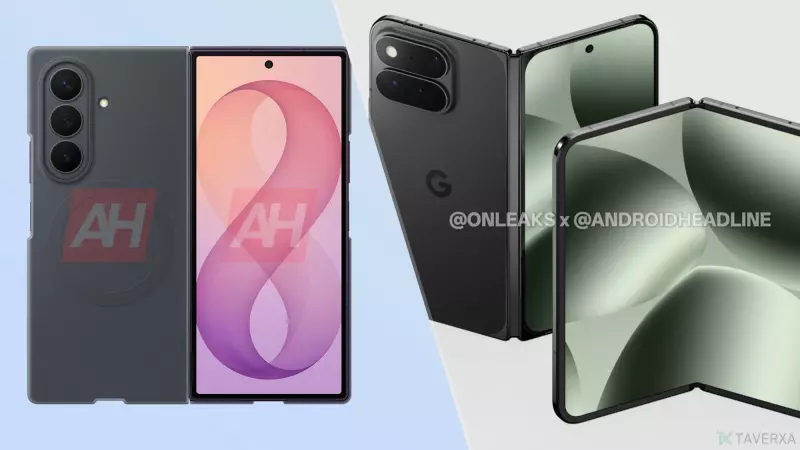
Design philosophy remains a key differentiator between the two. The Samsung Galaxy Z Fold 8 Ultra is rumored to push boundaries with a slightly larger 8-inch main foldable screen and a 6.5-inch cover display. Most excitingly, leaks suggest Samsung is working toward a nearly creaseless display, solving one of the most persistent complaints regarding foldable technology.
On the other side, the Google Pixel 11 Pro Fold is expected to maintain a similar aesthetic to its predecessor, though it may see a slight reduction in cover display size (by approximately 0.1 inches). This change is likely an effort to reduce overall bulk and shrink bezels. Google is also rumored to introduce "Pixel Glow," a unique light effect on the rear chassis, adding a distinct visual flair to the device.
Hardware Specifications Comparison
The raw specs reveal a stark contrast in how these two companies approach performance. Samsung is leaning into sheer power, while Google focuses on AI-driven efficiency.
- Chipsets: Samsung will likely utilize the Qualcomm Snapdragon 8 Elite Gen 5 (3nm), ensuring industry-leading raw speed. Google will employ the Tensor G6 (2nm), which, while potentially slower in raw benchmarks, is optimized for Google's deep AI integration.
- Memory & Storage: Both devices are expected to offer 12GB or 16GB of RAM and storage options ranging from 256GB up to 1TB. However, due to global memory price fluctuations, 16GB may be reserved for higher-tier storage models.
- Displays: Both will feature high-quality OLED panels with 120Hz refresh rates for smooth scrolling and gaming.
Camera Systems: Megapixels vs. Computational Magic
Samsung continues to dominate the hardware spec sheet. The Z Fold 8 Ultra is expected to retain its massive 200MP main sensor, but will likely see significant upgrades to its supporting lenses, with the ultrawide jumping from 12MP to 50MP and the telephoto moving to 12MP.
Google, conversely, is taking a more modest hardware approach, with rumors of a main sensor bump from 48MP to 50MP. However, Google's secret weapon remains its computational photography. By leveraging AI-driven processing, the Pixel 11 Pro Fold aims to produce world-class images despite having lower raw megapixel counts than Samsung.
Performance, Battery, and Charging
In terms of raw horsepower, Samsung is the clear favorite. The Snapdragon 8 Elite is designed for intensive tasks like 4K video editing and high-end gaming. Google's Tensor G6 may face challenges here, especially with rumors suggesting a move from eight cores down to seven, potentially impacting multi-threaded performance.
Battery life is another area of concern. Samsung is rumored to increase the Z Fold 8 Ultra's capacity to 5,000 mAh, matching the S26 Ultra. In contrast, leaks suggest the Pixel 11 Pro Fold might actually see a decrease in capacity, dropping from 5,015 mAh to 4,658 mAh. Charging is also expected to see a boost for Samsung, with a rumored move to 45W fast charging, leaving Google's slower charging speeds in the dust.
Final Outlook: Which One Should You Choose?
The choice between these two giants comes down to user priorities. If you crave raw power, superior camera hardware, and longer battery life, the Samsung Galaxy Z Fold 8 Ultra is the definitive choice. However, it comes with a premium price tag that will likely exceed $1,999.
For those who prefer a cleaner software experience, seamless AI integration, and a potentially more affordable entry price, the Google Pixel 11 Pro Fold remains a compelling alternative. As we approach the July and August launch windows, the final retail pricing will likely be the deciding factor for many consumers.