Crisis in Maine: Fatal ICE Shooting Sparks Outrage and Exposes Rising Death Toll in US Immigration Crackdown
A 26-year-old Colombian man was killed by ICE in Biddeford, Maine. Explore the details of the shooting and the rising death toll in US immigration detention and raids.
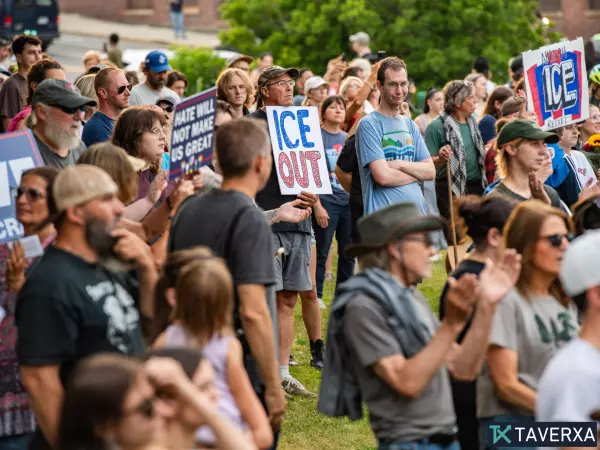
Tragedy in Biddeford: A Life Cut Short
The community of Biddeford, Maine, is in mourning after a 26-year-old Colombian national was fatally shot by a United States Immigration and Customs Enforcement (ICE) agent on July 13, 2026. The incident has rapidly evolved from a local tragedy into a national flashpoint, highlighting the lethal consequences of the current administration's aggressive immigration enforcement policies.
The victim, identified by human rights organizations as a man authorized to work in the United States, was shot during an operation that the Department of Homeland Security (DHS) described as surveillance of an address linked to a separate individual facing a final order of removal. According to DHS, agents attempted to stop a vehicle leaving the premises; they claim the driver attempted to flee and that an officer discharged his weapon out of fear for public safety.
Further details provided to Senator Angus King by Homeland Security Secretary Markwayne Mullin suggest a more violent encounter, alleging the driver attempted to use the vehicle as a weapon. However, these claims are under heavy scrutiny. Senator King noted that the agents involved were not wearing body cameras—a critical lapse in transparency—and that the victim was not the primary target of the operation.
A Pattern of Violence: The 'Weaponized Vehicle' Narrative
The shooting in Maine is not an isolated event but part of a troubling trend. The Maine Attorney General’s office is currently conducting an independent investigation, with preliminary evidence suggesting the driver may have been attempting to flee in the direction of the agent. Meanwhile, the FBI and the DHS Office of Inspector General have launched their own probes.
Critics point out that the "weaponized vehicle" justification has become a recurring theme in federal immigration fatalities. The Wall Street Journal identified over a dozen incidents between July 2025 and January 2026 where federal agents fired upon occupants of vehicles. This pattern was notably seen in the deaths of US citizens Alex Pretti and Renee Good in Minnesota, where federal officials used similar language to justify the use of lethal force against unarmed individuals.
The Escalating Human Cost of ICE Operations
Since the return of President Donald Trump to power, the scale and intensity of ICE operations have surged. Civil rights advocates have condemned the use of masked agents, unmarked vehicles, and high-profile workplace raids designed to instill fear in immigrant communities.
The human toll is staggering. The Maine incident marks at least the ninth death directly linked to federal immigration enforcement during this intensified crackdown. Other recent fatalities include:
- Lorenzo Salgado Araujo: A 52-year-old Houston resident shot on July 7 while driving his construction crew to a job site.
- Silverio Villegas Gonzalez: A 38-year-old Mexican cook shot during a traffic stop in Chicago.
- Ruben Ray Martinez: A 23-year-old US citizen fatally shot while driving in March 2025.
- Jaime Alanis: A 57-year-old farmworker who died during a raid on California cannabis farms.
- Roberto Carlos Montoya Valdez & Josue Castro Rivera: Both men were killed by vehicles during immigration-related traffic stops in California and Virginia, respectively.
Crisis Behind Closed Doors: Deaths in Detention
The violence in the field is mirrored by a crisis within the detention system. A joint report by Human Rights Watch and Physicians for Human Rights reveals a grim reality: 52 people died in ICE custody during the first 500 days of the current administration.
The mortality rate in these facilities is now the highest in over a decade—nearly four times higher than during the Biden administration and more than double the rate of Trump's first term. Advocacy groups warn that detainees are often transferred to hospitals only after their health has critically deteriorated, effectively masking the conditions of detention. Compounding this lack of oversight, the agency recently abolished a policy that required Congress to be notified of deaths occurring within 30 days of a detainee's release.
Public Outcry and Calls for Abolition
The surge in deaths has ignited widespread protests across the US. In Biddeford, hundreds gathered in a peaceful walking vigil, calling for the total abolition of ICE. These demonstrations follow similar unrest in Minneapolis, where residents felt the city was "under siege" due to intensified federal operations. The visual of federal officials, such as Gregory Bovino, utilizing military-style aesthetics during these operations has further fueled accusations of fascist-inspired policing, leading to international condemnation and renewed demands for systemic human rights reforms in the US immigration system.