Beyond the Pitch: Why Spain’s World Cup Victory Became a Symbol of Solidarity
Explore how Spain's 2026 World Cup victory became a powerful symbol of solidarity for millions, reflecting a shifting global perspective on the humanitarian crisis in Gaza.
The Intersection of Sport and Moral Conscience
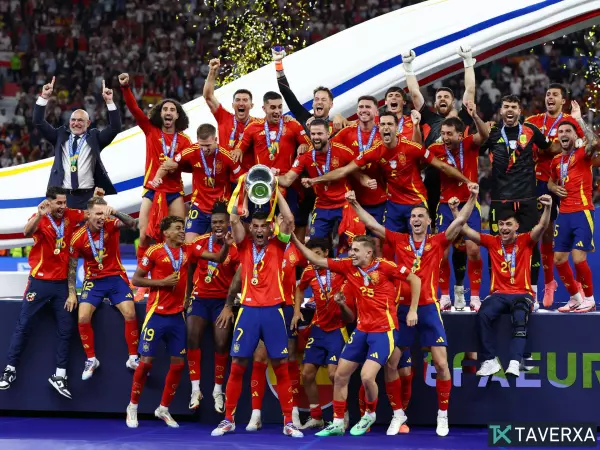
When Spain defeated Argentina to clinch the 2026 World Cup title, the victory transcended the boundaries of a typical sporting achievement for millions of spectators worldwide. In a world increasingly defined by geopolitical tensions and humanitarian crises, the final match served as a profound mirror for public consciousness, specifically regarding the ongoing situation in Gaza.
For many observers, the choice of team to support was not rooted in tactical preferences or national loyalty, but in an alignment of moral values. The author and law professor Ziyad Motala highlights how Gaza has evolved into a 'moral prism,' influencing how individuals perceive governments, corporations, and even athletic institutions.
Spain as a Symbol of Stance
Spain’s government, led by Prime Minister Pedro Sánchez, has stood out among Western nations for its vocal position on the conflict in Gaza. By officially recognizing the State of Palestine and moving toward an arms embargo on Israel, Spain’s administration has signaled a willingness to prioritize humanitarian ethics over traditional political alliances. This stance has transformed the image of the Spanish national team for many, imbuing their 'La Roja' jerseys with a layer of symbolic significance that exists outside the stadium.
The Role of Symbols and Sports Figures
The impact of these symbolic gestures was personified by Lamine Yamal. The young football prodigy, who notably waved the Palestinian flag during Barcelona’s La Liga victory parade, carried that visibility onto the world stage. His presence at the center of the World Cup final, coupled with his previous public solidarity, resonated deeply with fans who feel that the suffering in Gaza has been largely ignored by global institutions.
Contrasting Geopolitics
The contrast during the final was palpable for viewers who connect sports to broader political realities. Argentina’s political leadership, specifically President Javier Milei, has adopted a staunchly pro-Zionist foreign policy, aligning closely with leaders such as Donald Trump and Benjamin Netanyahu. While football players are not responsible for the politics of their home nations, these global alignments are impossible to ignore for those who view international events through the lens of human rights.
A Reorganized Moral Geography
Ultimately, the 2026 World Cup served as a testament to how human beings derive meaning from symbols. While no football match can reverse the destruction or loss of life in Gaza, for millions, the celebration of Spain’s triumph was an expression of solidarity. The event signaled a shift in 'moral geography,' where fans now feel a sense of kinship with nations that refuse to remain silent in the face of human suffering. For those viewers, Spain's victory was a rare moment where the world’s most popular sport aligned with their own pursuit of justice.