Your Location Data Is Now Constitutionally Protected: Supreme Court Limits Geofence Warrants
The U.S. Supreme Court has ruled that smartphone location data is protected by the Fourth Amendment, limiting the reach of geofence warrants.
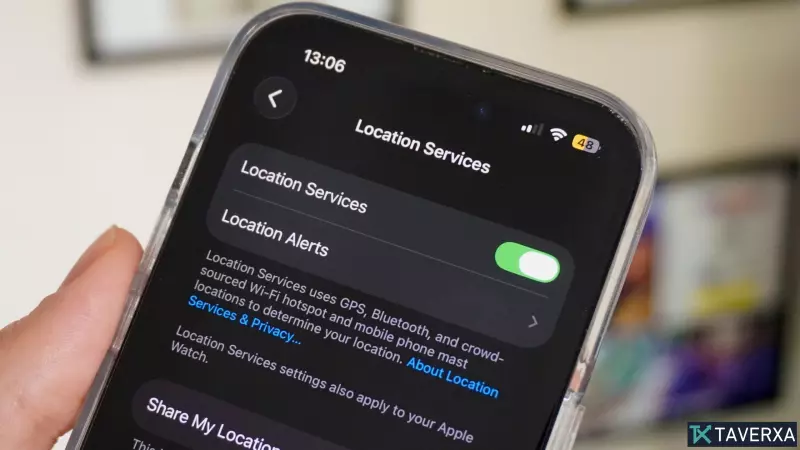
A Major Shift in Digital Privacy
In a landmark 6-3 decision, the U.S. Supreme Court has established that location data generated by smartphones is now officially protected under the Fourth Amendment. This ruling serves as a significant check on law enforcement, curtailing the use of broad 'geofence warrants' that have previously allowed police to track the movements of individuals in the vicinity of a crime scene without individual probable cause.
What Are Geofence Warrants?
Geofence warrants function as a digital dragnet. They allow authorities to request data from tech companies, such as Google, to identify all devices that were present in a specific geographic area during a particular timeframe. This practice gained prominence in 2019 during a bank robbery investigation in Virginia. In that case, police used such a warrant to obtain data for 19 devices, narrowing it down to nine suspects and eventually identifying a culprit. While this method successfully led to an arrest, it raised severe concerns about the privacy of innocent people whose data was swept up in the process.
The Legal Turning Point
The Supreme Court ruling clarifies that accessing such granular, historical location data constitutes a 'search' under the Constitution. The government had argued that because this data represents a limited snapshot of time, it should not require the same level of protection as more intimate private communications. The Court rejected this logic, ruling that the depth and breadth of modern location data are sufficient to warrant Fourth Amendment protections.
What This Means for You
This ruling does not ban the use of warrants entirely, but it forces a return to traditional constitutional requirements. Law enforcement must now demonstrate 'probable cause'—the same standard required for a physical home search—before they can force tech companies to surrender private user location history. Moving forward, police must provide detailed, specific justification for their requests, making the process more rigorous and transparent.
This decision applies to all major tech platforms, not just those operating on Android, ensuring that location history on iPhones and other devices is afforded equal constitutional standing. The case that prompted this ruling has been sent back to the lower courts to determine if the original warrant meets this new standard of probable cause.