Elon Musk's $1 Billion Pivot: Why xAI is Buying Gas Turbines Instead of Chips
Elon Musk has purchased mobile power firm APR Energy for $1 billion to fuel his AI supercomputing projects, highlighting the growing power bottleneck in the AI race.
The Shift Toward Energy Sovereignty
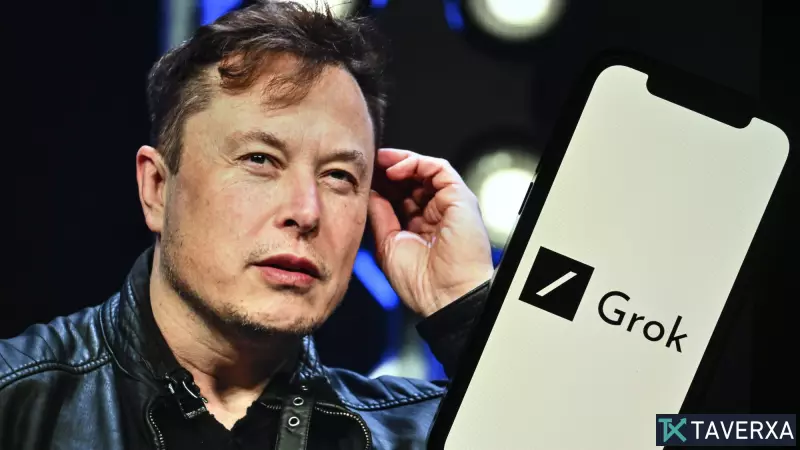
In a surprising strategic pivot, Elon Musk’s artificial intelligence startup, xAI, has completed a acquisition of APR Energy, a specialist in mobile, modular power generation, in a deal valued at approximately $1 billion. While the tech industry remains hyper-focused on the arms race for Nvidia’s latest H100 and Blackwell GPUs, Musk’s move reveals a more fundamental constraint: the desperate need for electricity.
The Power Bottleneck in AI Development
As xAI scales its operations—most notably at its massive Colossus supercomputer campus in Memphis—the bottleneck for training increasingly sophisticated large language models (LLMs) has shifted from hardware acquisition to power availability. Traditional utility grids in many U.S. regions are already strained, leading to years-long wait times for the connection of new, power-hungry data centers.
Why Mobile Turbines Matter
The acquisition of APR Energy provides xAI with a fleet of trailer-mounted gas and diesel turbines. This enables the company to bypass standard utility infrastructure, allowing for the rapid deployment of power capacity in weeks rather than the years required for traditional grid upgrades. This 'captive' power supply ensures that xAI can maintain its aggressive scaling roadmap without being dependent on local grid operators.
The Paradox of the 'King of Electric'
There is a stark irony in this purchase. For nearly two decades, Musk has positioned himself as the leading advocate for the global transition to sustainable energy, leveraging Tesla’s solar and battery storage solutions. However, the immediate, massive energy requirements of modern AI training have forced him to adopt fossil-fuel-based generation to meet his timelines, sparking intense debate over the environmental footprint of his AI ambitions.
Looking Ahead
The deal indicates that xAI views dedicated, on-site power generation as a permanent strategic pillar. While critics argue that this approach prioritizes short-term expansion over climate responsibility, for users of Grok, it represents a commitment to maintaining the computational capacity necessary for the next generation of AI reasoning models. As AI companies continue to grapple with energy scarcity, Musk’s move may set a new precedent for how private tech entities secure their own power ecosystems.