Why Your VPN Won't Stop AI Companies from Collecting Your Personal Data
Are you using a VPN to hide your data from AI companies? Learn why a VPN doesn't stop AI training and discover the effective steps you can take to protect your privacy.
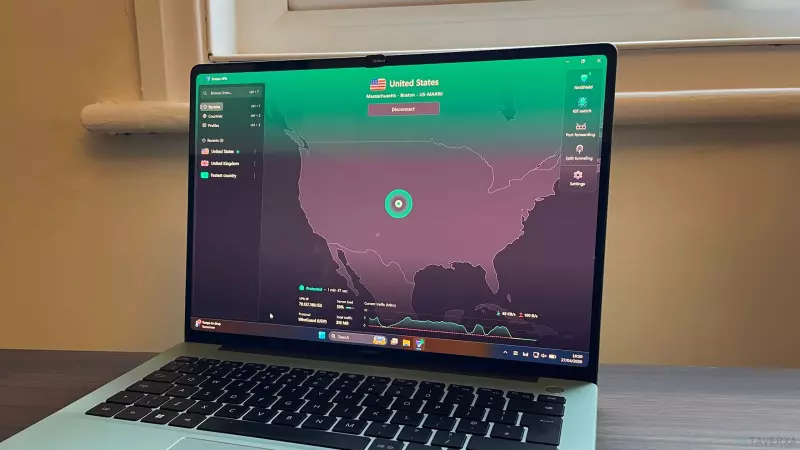
As artificial intelligence continues to permeate every facet of our digital lives, from sophisticated chatbots to automated image generators, privacy concerns are reaching an all-time high. A recent survey conducted by All About Cookies, which analyzed the habits of 1,000 U.S. adults, revealed that a significant 40% of VPN users now rely on their virtual private network (VPN) services with the specific goal of blocking AI companies from harvesting their personal information.
The Misconception of VPN Privacy
While VPNs are powerful tools for enhancing online anonymity, they are not a silver bullet for data privacy when interacting with AI. Many users labor under the misconception that a VPN functions as an 'invisibility cloak' that shields their entire digital footprint. In reality, a VPN performs two primary functions: it masks your IP address from websites you visit, and it encrypts your internet traffic to protect it from local intruders, such as someone on the same public Wi-Fi network or your own ISP.
Where AI Data Collection Happens
The limitation becomes clear when you visit an AI platform like ChatGPT, Gemini, or Claude. When you type a prompt, upload a file, or analyze data within these interfaces, you are voluntarily transmitting that information to the AI provider. Because the VPN protects the connection between you and the service, but not the information you choose to enter into that service, the data remains fully accessible to the AI company.
How to Actually Secure Your AI Data
If your primary goal is to minimize the amount of data AI firms ingest, technical tools like VPNs are secondary to manual privacy hygiene. Experts suggest the following strategies to bolster your security:
- Audit Service Settings: Navigate to the privacy and security menus of each AI platform you use. Look for options to opt-out of data training.
- Disable History: If the service provides an option to turn off 'Chat History' or 'Training,' toggle it on immediately.
- Minimize Sensitive Input: Avoid sharing personal, financial, or proprietary business information with chatbots, as these are often used to refine future models.
- Leverage Temporary Sessions: Whenever possible, use 'temporary' or 'incognito' chat features that do not save logs.
The Bottom Line
While a VPN remains an essential tool for securing your general web browsing experience, it cannot prevent AI companies from logging the specific inputs you provide within their ecosystem. Privacy in the age of AI requires more than just masking an IP address; it requires an active, informed approach to how and where you share your digital information.