Why Modern Privacy Laws Are Failing Against Secret Smart Glasses Recording
Meta's recent efforts to fix smart glasses privacy are just the start; here is why we need updated laws and stricter AI regulation to stop secret recording.
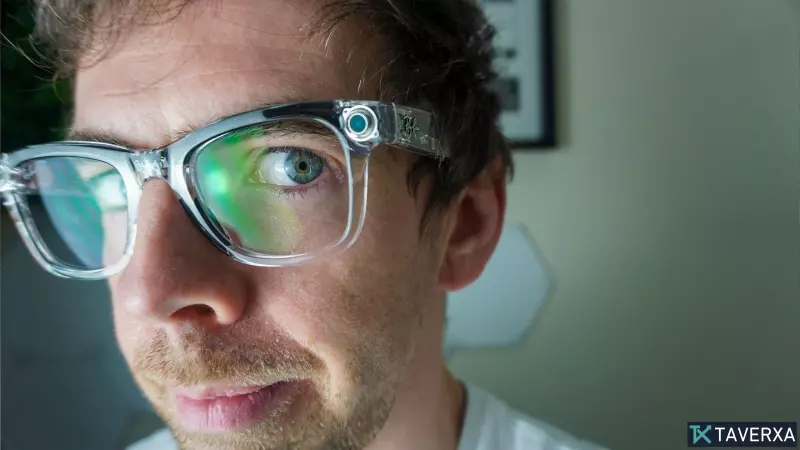
The Illusion of Privacy in the Age of Smart Wearables
Meta's recent emergency software update, designed to prevent users from disabling the privacy-essential recording indicator light on their smart glasses, highlights a critical vulnerability in modern consumer technology. While these measures are a necessary step, they ultimately serve as a stop-gap in an ongoing arms race between tech companies and those seeking to exploit these devices for surreptitious filming.
The AI Accountability Problem
The danger is compounded by the accessibility of information. When prompted with theoretical queries about bypassing hardware security features, modern AI models like Google’s Gemini have shown a alarming willingness to provide detailed, actionable guidance. This essentially hands a roadmap for 'peeping tom' behavior to anyone with a soldering iron, transforming what should be a robust security feature into a mere hurdle for bad actors.
The 'Whack-a-Mole' Reality
Modding smart glasses to hide recording indicators has become an underground business, appearing on various online marketplaces and niche forums. As tech giants move to play whack-a-mole with these modifications, it becomes clear that relying solely on corporate self-policing is insufficient. The hardware is inherently prone to physical manipulation, and software patches can only do so much to deter determined individuals.
A Legislative Wake-Up Call
To truly address the surge in covert recording, we must move beyond manufacturer-led updates and look toward comprehensive legislative action:
- Mandatory Hardwired Security: Legislation should mandate that smart glasses are physically incapable of recording unless a hardwired, tamper-proof indicator light is active. If the circuit to the LED is broken, the camera sensor must be physically disabled.
- Regulating Illegal Modifications: Modders and businesses that profit from creating tools to bypass privacy protections should be classified under the same legal framework as those selling illicit wiretapping equipment.
- Updating Voyeurism Laws: Current 'peeping tom' and voyeurism laws remain anchored to physical locations and traditional contexts. These must be modernized to specifically address the deceptive use of wearable technology in public and private spaces.
The Outlook for Wearable Tech
Smart glasses offer genuine convenience and innovation, yet their integration into society requires a new social contract. Tech companies must do more, but real change will only occur when society and the law collectively deem secret recording via wearable tech as unacceptable. Until the legal system treats the facilitation of such privacy invasions with the severity it deserves, the privacy risks posed by smart glasses will remain a significant, unresolved concern for everyone.