US Weapons Arsenal Under Strain: Sustaining the Conflict with Iran
As the US intensifies its military campaign against Iran, new data suggests the US weapons stockpile is rapidly depleting, threatening long-term global defense readiness.
As President Donald Trump prepares to address a major defense summit at the US Army War College, the reality of the US-Iran military escalation is casting a long shadow over the nation's strategic readiness. The renewed conflict, which reignited following the collapse of the June memorandum of understanding, has seen a massive expenditure of advanced munitions, raising serious questions about the sustainability of the US stockpile.
The Cost of Conflict
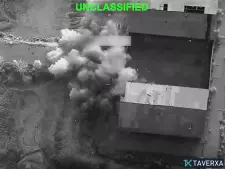
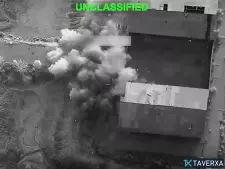
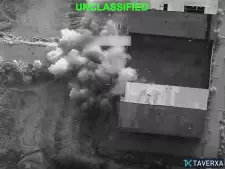
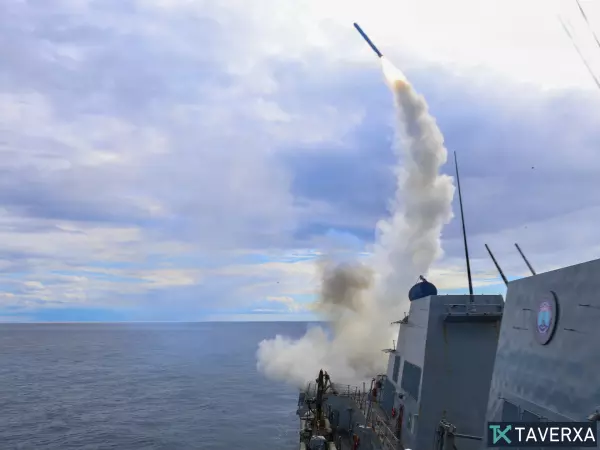
Since the resumption of hostilities, the US has conducted relentless strikes against Iranian military infrastructure. Analysts from the Center for Strategic and International Studies (CSIS) note that the US has expended more than half of its inventories for at least four critical weapons systems: Tomahawk cruise missiles, JASSM air-launched missiles, Precision Strike Missiles (PrSM), and various air defense interceptors. The financial toll has already reached into the billions, even before accounting for the long-term logistical burden of replacement.
Strategic Implications and Global Readiness
Experts warn that the rapid depletion of these high-capability weapons creates a dangerous vulnerability. Brian Finucane of the International Crisis Group highlighted that these specific assets are essential for other potential theaters of conflict, particularly in the Indo-Pacific. Furthermore, the focus on the Iran theater has strained the global supply chain, directly impacting the availability of defensive systems like Patriots and THAADs for key allies, including Ukraine.
The Race to Replenish
In response to the dwindling arsenal, the administration has invoked the Defense Production Act, compelling manufacturers such as Lockheed Martin, Boeing, and Raytheon to surge output. Despite these efforts, supply chain constraints remain significant. For instance, the delivery timeline for essential Tomahawk missiles has faced delays, with some orders pushed back by years. Current estimates suggest it could take between one and five years to return to pre-conflict inventory levels, a period during which US global military flexibility may remain hampered.
Future Outlook
President Trump has pledged an "unlimited" commitment to defense, proposing a 44 percent increase in the 2027 defense budget. However, as the conflict persists and civilian infrastructure remains in the crosshairs, the debate over whether the current expenditure of strategic resources is sustainable in the face of competing global threats is likely to intensify at the highest levels of the Pentagon.