Escalating Tensions: Iran Vows Retaliation Amid New US Strikes
Iran threatens to crush regional infrastructure as the US launches new strikes on Iranian sites, leading to a blockade of the Strait of Hormuz.
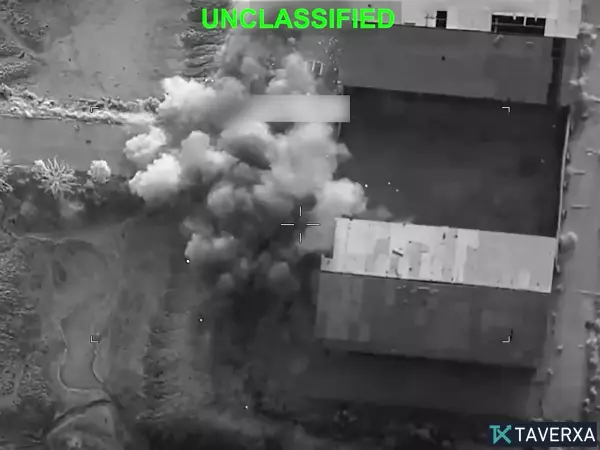
As the conflict between the United States and Iran enters a volatile new phase, Tehran has issued a stern warning that it will 'crush' regional infrastructure should the US escalate its military operations against Iranian territory. This declaration comes in the wake of a fresh, aggressive round of US-led strikes targeting multiple key sites across Iran.
Current Military Developments
The US military has confirmed the execution of another wave of precision strikes, which sources state have impacted critical infrastructure. Reports from local media inside Iran indicate that significant explosions were heard on Qeshm Island, as well as in the strategic port cities of Bandar Abbas and Chabahar. These strikes represent a significant departure from previous containment strategies, marking a direct escalation of the ongoing regional crisis.
Tehran’s Retaliatory Stance
In a direct response to the American military buildup, Iranian officials have vowed that the retaliation will be absolute. Tehran claims that the peace process is effectively voided, characterizing the current situation as an 'existential war.' The Iranian leadership has specifically warned that any further aggression against civilian or national sites will be met with overwhelming force, potentially threatening energy corridors and infrastructure across the broader Gulf region.
The Strait of Hormuz Blockade
Adding to the global economic anxiety, Iran has reaffirmed its control over the Strait of Hormuz. Authorities in Tehran declared that the waterway will remain closed to traffic 'until the US ends its aggression.' This move effectively traps a significant portion of global energy supplies, sending shockwaves through international markets and raising the stakes for global security partners who rely on these shipping lanes.
Regional Implications
The situation remains fluid as both nations exchange warnings. Analysts suggest that the regional security architecture is being tested as never before, with the potential for further kinetic operations threatening to draw neighboring nations deeper into the fray. The international community is closely monitoring the situation as diplomatic avenues for de-escalation appear increasingly constrained.