US Strikes Iranian Port Cities as Regional Tensions Ignite Over Strait of Hormuz Closure
The US launches a third wave of strikes on Iranian ports, prompting the IRGC to close the Strait of Hormuz as tensions across the Middle East reach a critical boiling point.
Escalation in the Persian Gulf
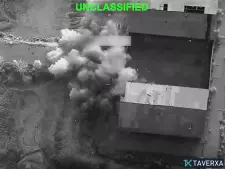
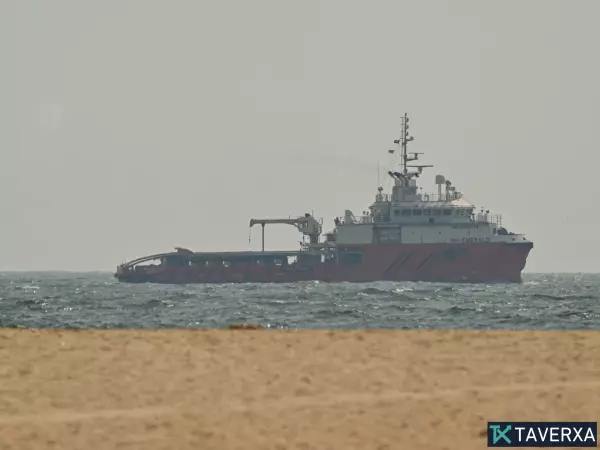
The geopolitical landscape of the Middle East has entered a period of extreme volatility this week as the United States launched its third round of airstrikes against Iranian facilities. The military action, which targeted critical port infrastructure, follows an escalating series of confrontations in the Persian Gulf. The Iranian Islamic Revolutionary Guard Corps (IRGC) responded to the strikes by declaring the strategic Strait of Hormuz closed, raising immediate fears of a global energy crisis.
Targeted Port Cities
Local reports and military observers confirmed that multiple explosions rocked Iranian coastal cities on July 10, 2026. The strikes specifically targeted Bandar Abbas, Sirik, Chabahar, Bandar-e Deyr, and Asaluyeh. These locations serve as key logistical hubs for both commercial shipping and naval operations. The US military stated that the operation was in direct response to the targeting of a Cyprus-flagged container ship within the narrow maritime chokepoint.
Regional Impact and Defensive Responses
Beyond the direct US-Iran conflict, the surrounding Gulf states have been drawn into the fray. Reports indicate that regional partners, including Bahrain, Qatar, and the UAE, have intercepted a significant number of drones and missiles aimed at their territories. Meanwhile, Iran has reportedly leveled accusations of an attack on Jordan, further complicating the web of alliances and hostilities. The closure of the Strait of Hormuz threatens to disrupt a vital transit route for international oil tankers, potentially leading to skyrocketing fuel prices and instability in the global economy.
The Path Forward
Despite the intensification of hostilities, both international observers and diplomatic sources remain focused on the possibility of de-escalation. While the US maintains that diplomatic channels are still open, the current military posture of both nations suggests that a diplomatic breakthrough remains elusive. As the international community watches, the primary concern remains the prevention of a wider, uncontrollable regional conflagration.