US Reinforces Naval Blockade on Iran and Escalates Aerial Strikes Amid Collapsing Peace Deal
The US has reimposed a naval blockade on Iranian ports and launched widespread strikes in Abadan and Bandar Abbas, effectively ending the interim peace deal with Iran.
A Strategic Pivot Toward Open Conflict
The geopolitical landscape of the Middle East has shifted violently as the United States officially reimposed a comprehensive naval blockade on Iranian ports. This move, effective as of 20:00 GMT on Tuesday, marks a critical escalation in a rapidly deteriorating relationship between Washington and Tehran, signaling the likely death of a fragile interim peace agreement signed in June.
The US military's Central Command (CENTCOM) confirmed that the blockade targets all vessels transiting to and from Iranian coastal areas and ports. This strategic maneuver is designed to isolate the Iranian economy and limit the movement of military assets, effectively turning the Persian Gulf into a high-tension zone of enforcement.
A Wave of Kinetic Strikes
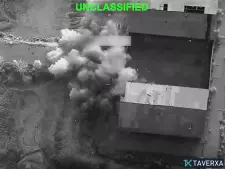
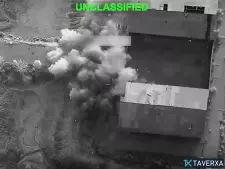
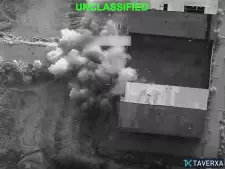
Simultaneous with the blockade, CENTCOM launched a series of targeted aerial strikes. According to US officials, these operations are intended to "degrade Iranian capabilities" specifically those used to harass or attack commercial shipping within the Strait of Hormuz—one of the world's most vital oil transit chokepoints.
The scale of the engagement has been widespread. Iranian state media reported strikes hitting the city of Abadan, home to the Middle East's oldest oil refinery, as well as the strategic port city of Mahshahr, Qeshm Island, and Kish Island. These attacks follow a previous wave of strikes on Monday night that targeted Bushehr and Bandar Abbas, indicating a systematic US effort to neutralize Iranian maritime and energy infrastructure.
Regional Spillover and Iranian Retaliation
Iran has not remained passive. In a series of retaliatory strikes, the Islamic Revolutionary Guard Corps (IRGC) acknowledged disabling two supertankers in Omani waters, claiming the vessels had ignored repeated warnings. One crew member was reported killed in the encounter, fueling concerns over the safety of international seafarers.
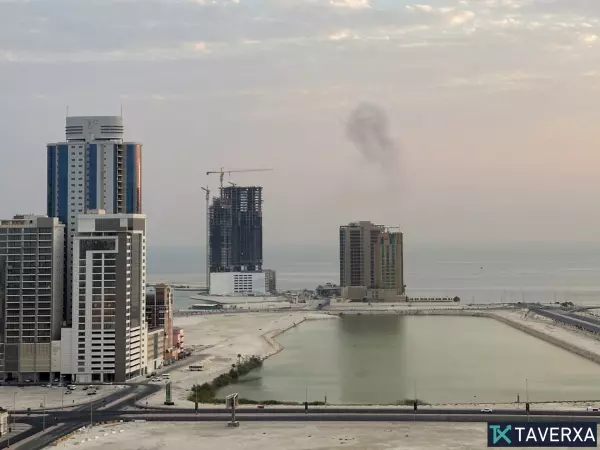
The conflict has quickly expanded beyond the borders of Iran. Retaliatory Iranian attacks were reported in Kuwait, Jordan, and Bahrain. Bahrain, which hosts a critical US naval base, confirmed it successfully fended off an aerial assault, while Kuwaiti forces reported engaging "hostile" aerial targets during the Tuesday evening escalation.
The Collapse of Diplomacy
The current violence appears to be the final nail in the coffin for the Memorandum of Understanding (MoU) signed on June 17. President Trump, speaking from the White House, asserted that Iran "shot first," characterizing the current US military response as a necessary correction. In a notable shift in economic strategy, Trump announced he is scrapping a previously proposed 20% "reimbursement fee" for ships passing through the Strait of Hormuz, replacing it with a series of trade and investment deals with Gulf allies.
From Tehran, the response has been one of defiance. Deputy Foreign Minister Kazem Gharibabadi accused the US of unilaterally destroying the MoU and violating every obligation within the agreement. Gharibabadi warned that the US is "mistaken" if it believes a naval blockade will force Iran back to the negotiating table, stating that Iran no longer feels bound by the terms of the defunct peace deal.
Expert Analysis: A Dangerous Gamble
Military and political analysts warn that the region is entering a period of "persistent low-intensity war" that could easily spiral into a full-scale regional conflict. Alex Vatanka of the Middle East Institute suggests that the Trump administration is banking on a strategy of "maximum pressure" to force concessions. However, he warns that this is a high-stakes gamble, as Iran has a historical tendency to respond to pressure with escalation rather than surrender.
As the International Maritime Agency calls for an end to the "cycle of escalation," the world watches the Strait of Hormuz, where the threat of a global energy crisis looms over every missed warning and intercepted drone.