US Naval Blockade of Iran Set to Commence Amid Escalating Strait of Hormuz Standoff
The US military is set to begin a naval blockade of Iran on July 14, 2026. Discover the implications for the Strait of Hormuz and the ongoing escalation of regional tensions.
Escalation in the Persian Gulf
The United States military has announced that it will initiate a comprehensive naval blockade of Iranian ports and coastal areas effective at 20:00 GMT on July 14, 2026. This move, championed by President Donald Trump as a method to assert control over the critical maritime artery, marks a significant intensification in the ongoing conflict between the two nations.
Strategic Chokepoints and Economic Implications
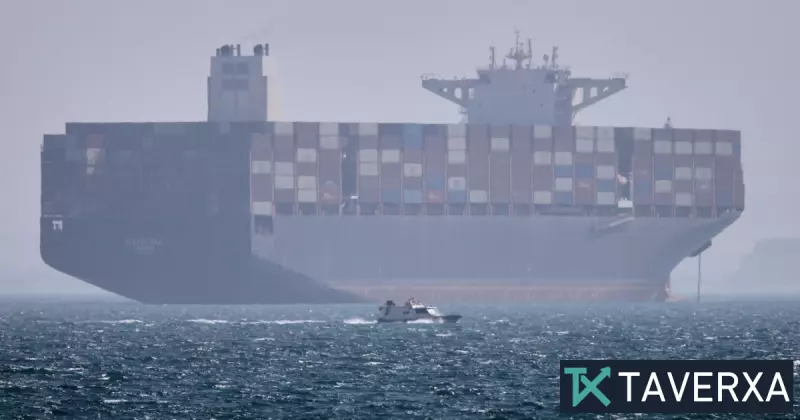
The Strait of Hormuz serves as a vital chokepoint for global energy supplies. The imposition of a blockade threatens to disrupt international trade, drive up fuel costs, and force a drastic re-evaluation of economic planning globally. President Trump has stated that the US intends to position itself as the 'guardian' of the waterway, suggesting that the mission will be supported by the collection of tolls from passing vessels, a move aimed at generating significant revenue.
Iran’s Defiant Stance
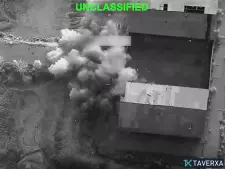
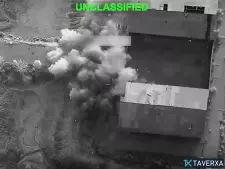
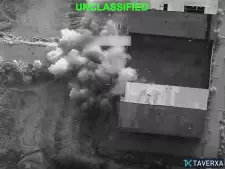
The Iranian government has reacted with fierce opposition to the US mandate. Foreign Minister Abbas Araghchi underscored the nation's commitment to sovereignty, asserting that Iran will continue to act as the true 'guardian' of the Strait of Hormuz. Reports from Iranian state media indicate that explosions have already rocked key port cities, including Bandar Abbas, Sirik, and Jask, as well as the strategic Qeshm Island, signaling a volatile start to the planned blockade operations.
Regional Instability
This latest development follows a series of strikes and counter-strikes between the US and Iranian forces. As both nations double down on their military posturing, the global community remains concerned about the prospects for peace talks and the long-term stability of the Middle East region. The military maneuver is expected to place immense pressure on regional logistics and security frameworks, setting the stage for a tense standoff in one of the world's most sensitive shipping corridors.