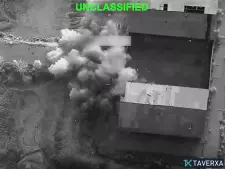
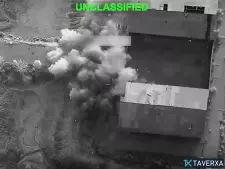
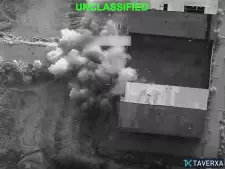
US Military Launches Second Wave of Strikes Targeting Iranian Military Assets
The US military has launched a second wave of strikes against Iranian military assets near the Strait of Hormuz, citing a need to protect shipping routes. Explore the full details here.
Escalation in the Gulf: A New Wave of Strikes
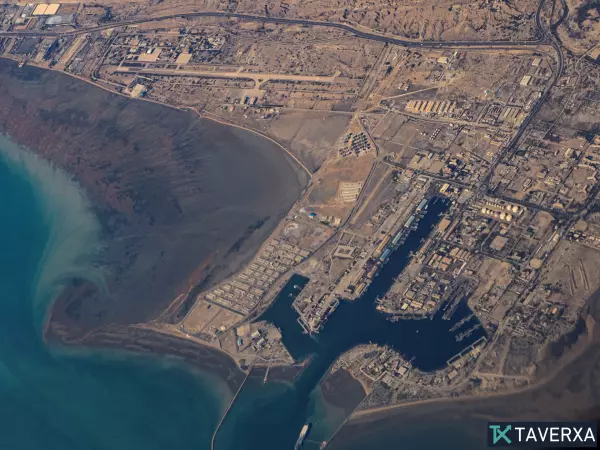
The US military has intensified its campaign against Iranian positions, confirming a second, significant wave of airstrikes. According to US Central Command (CENTCOM), these operations are specifically designed to degrade Iranian military capabilities that have been utilized to threaten commercial and naval vessels transiting the vital Strait of Hormuz. The strikes represent a sharp escalation in regional tensions, as the US seeks to secure one of the world's most critical maritime corridors.
Iran’s Strategic Stance
In response to the ongoing military operations, Iranian officials have adopted a posture of firm defiance. Mohammed Bagher Ghalibaf, the parliamentary Speaker and a high-ranking negotiator, stated that while Iran does not seek an expansion of the conflict, it remains fully prepared for military engagement. 'We have never welcomed war, nor do we now,' Ghalibaf remarked, emphasizing that Tehran is committed to protecting its national security and regional interests at all costs.
Implications for Regional Stability
The targeting of southern coastal military assets signifies a calculated effort by Washington to neutralize offensive capabilities, such as anti-ship missiles and radar arrays, which Iran could use to disrupt global energy supplies. The Strait of Hormuz remains a central flashpoint, acting as a chokepoint for a significant portion of the world's oil output. As these strikes continue, international observers warn that the risk of miscalculation or broader regional confrontation remains alarmingly high, forcing Gulf nations and global powers to navigate a increasingly volatile security landscape.