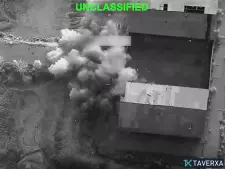
US Military Escalates Campaign Against Iran with New Wave of Strategic Strikes
US CENTCOM launches a second wave of strikes against Iranian military capabilities to secure the Strait of Hormuz. Iran warns of readiness to defend national security.
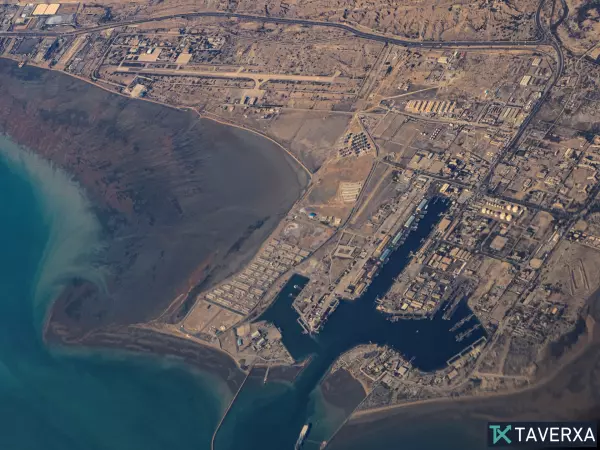
Escalation in the Gulf: US Launches Second Wave of Attacks
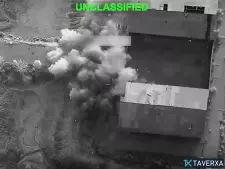
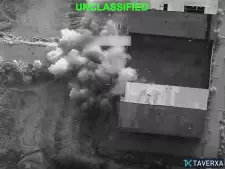
In a significant escalation of regional tensions, the United States military has executed a second wave of targeted airstrikes against Iranian territory. According to the US Central Command (CENTCOM), these operations are specifically designed to dismantle and degrade Iranian military capabilities that have been utilized to threaten the safety and freedom of maritime navigation in one of the world's most critical waterways.
Protecting the Strait of Hormuz
The focal point of the current conflict remains the Strait of Hormuz, a narrow chokepoint that carries a vast percentage of the world's oil shipments. US officials stated that the strikes are a direct response to Iranian activities targeting shipping vessels transiting the strait. By striking military infrastructure along Iran's southern coast, the US aims to ensure that international trade remains uninterrupted and that the threat of naval blockades or opportunistic attacks on commercial tankers is neutralized.
Iran's Response: A Balance of Restraint and Readiness
The Iranian leadership has responded to the strikes with a complex message of deterrence and reluctant defense. Mohammed Bagher Ghalibaf, the Speaker of the Iranian Parliament and a top negotiator, emphasized that Tehran does not seek a full-scale war. "Iran has never welcomed war, nor do we now," Ghalibaf stated during a public address.
However, he coupled this sentiment with a stern warning that the nation's sovereignty is non-negotiable. He asserted that the Iranian armed forces must remain prepared for battle and stand firm to protect national security and strategic interests, suggesting that while diplomacy is preferred, the military is ready to retaliate if provoked further.
Geopolitical Implications and Regional Stability
The timing of these strikes comes amid a volatile period for the 'Axis of Resistance,' with analysts noting that Iran's regional influence is under extreme pressure. The focus on the southern coast, particularly areas around Bandar Abbas, suggests a strategy to cripple Iran's rapid-response naval capabilities and missile launch sites. As the US increases its military footprint in the region, the risk of a miscalculation leading to a wider regional conflict remains high, with neighboring Gulf states closely monitoring the situation for potential spillover effects.