US-Iran Escalation: Trump Reverses Hormuz Tariff Amid Ongoing Military Strikes
President Trump reverses a 20-percent tariff on the Strait of Hormuz while US military strikes continue across key Iranian cities, escalating regional tensions.
A Strategic Pivot in the Strait of Hormuz
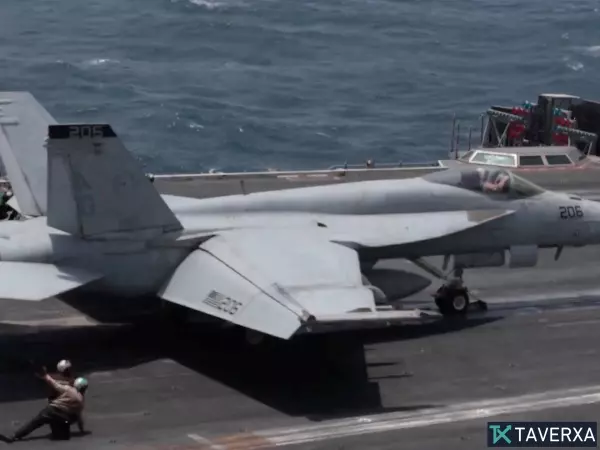
In a significant shift in diplomatic and economic strategy, President Donald Trump has officially reversed his previous announcement regarding a 20-percent tariff on goods passing through the Strait of Hormuz. The u-turn comes as the administration intensifies its campaign of pressure against Iran, characterized by both strict naval blockades and targeted military operations.
Military Escalation Continues
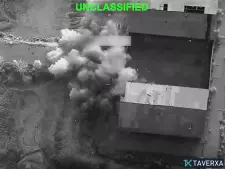
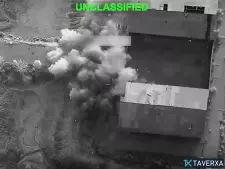
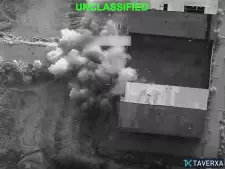
Despite the sudden shift in trade policy, the physical conflict remains unabated. The United States military continues to conduct strikes against Iranian assets, with reports emerging from state media regarding a series of explosions across key Iranian cities. Residents in Bushehr, Bandar Abbas, Mahshahr, and Abadan have reported hearing loud blasts, signaling an escalation in the aerial and naval campaign targeting Iran's infrastructure.
Impact on Regional Stability
The ongoing confrontation has placed the Strait of Hormuz—a vital global chokepoint for energy supplies—at the center of international concern. While the reversal of the tariff suggests a potential pivot toward different forms of economic leverage, such as trade and investment negotiations, the ground reality remains volatile. The US blockade of Iranian ports continues to stifle maritime commerce, forcing global markets to brace for potential energy supply chain disruptions as the conflict between the two nations deepens.