US Intensifies Military Action Against Iran in Strategic Strait of Hormuz Standoff
The US military has launched a second wave of strikes against Iran to protect shipping in the Strait of Hormuz, while Iranian leaders emphasize their readiness to defend national interests.
Escalation in the Middle East
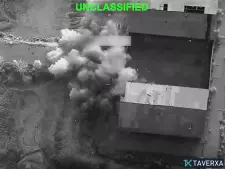
The United States military has initiated a fresh wave of precision strikes against Iranian targets, marking a significant escalation in the ongoing regional volatility. The US Central Command (CENTCOM) confirmed that the latest operations were specifically designed to further degrade Iran’s military infrastructure, which Washington alleges has been actively used to threaten international shipping vessels traversing the Strait of Hormuz.
Strategic Objectives of the Strikes
The Strait of Hormuz remains one of the world's most critical maritime chokepoints, serving as a vital conduit for global oil supplies. The US military's intervention is presented as a measure to secure freedom of navigation. By targeting specific military capabilities, the US seeks to neutralize threats posed to merchant vessels that have frequently found themselves in the crosshairs of regional tensions.
Iranian Response: Defiance and Preparedness
In response to the intensifying US campaign, Iranian officials have adopted a posture of firm resolve. Mohammed Bagher Ghalibaf, the parliamentary Speaker and a senior figure in the Iranian political hierarchy, articulated that while Tehran has never sought to expand the conflict into a full-scale war, it remains committed to defending its national sovereignty. Ghalibaf emphasized that Iran is fully prepared for battle and will continue to protect its strategic interests against external aggression.
Implications for Global Stability
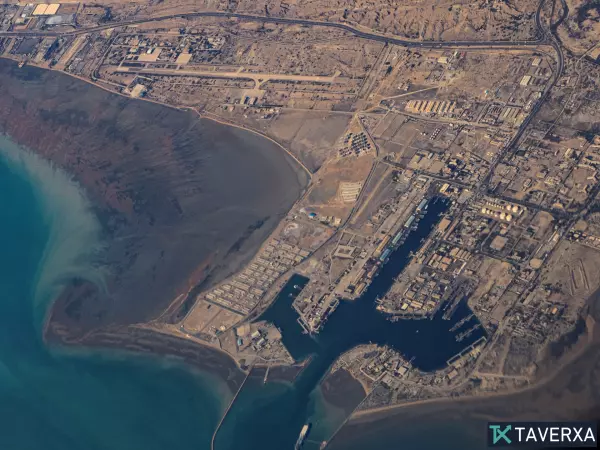
As the conflict unfolds, the international community remains deeply concerned regarding the potential for a wider conflagration. The targeted strikes on Iran’s southern coast represent a calculated risk by the US to curtail Tehran's influence in the maritime domain. With both sides maintaining a firm rhetorical stance, observers are closely monitoring whether this cycle of military engagement will lead to a diplomatic breakthrough or further descent into regional instability.