US Intensifies Military Action Against Iran in Strategic Strait of Hormuz Standoff
The US military has launched a second wave of strikes on Iranian coastal assets, aiming to secure the Strait of Hormuz. Read the latest updates on the escalating tensions.
Escalating Tensions in the Gulf
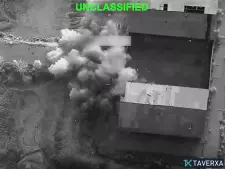
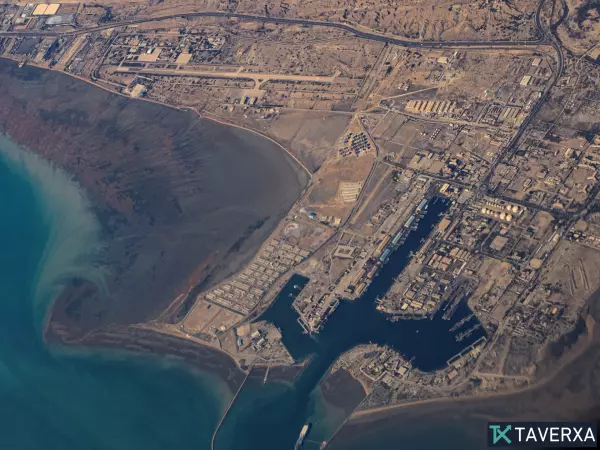
The United States military has initiated a second, concentrated wave of airstrikes targeting Iranian military infrastructure along its southern coastline. The US Central Command (CENTCOM) confirmed that these operations are specifically designed to 'further degrade Iran’s military capabilities,' particularly those assets that have been utilized to threaten international shipping vessels navigating the critical Strait of Hormuz.
Strategic Objectives of the Strikes
The Strait of Hormuz serves as one of the world's most vital energy transit chokepoints. By targeting radar installations, missile batteries, and coastal defense systems, the US aims to secure safe passage for global maritime trade. Pentagon officials emphasized that the strikes are a direct response to persistent provocations and disruptions to civilian and commercial vessels attempting to traverse these international waters.
Iran’s Response: Defiance and Readiness
In the wake of the strikes, Iranian leadership has issued a nuanced message. Mohammed Bagher Ghalibaf, Iran’s parliamentary Speaker and a key political figure, addressed the situation by stating that while Tehran has 'never welcomed war,' the nation remains fully prepared to defend its sovereignty. 'We must always be prepared for battle and stand firm to protect our national security and interests,' Ghalibaf declared, signaling that the current military situation is being treated with the utmost gravity by Iranian authorities.
Implications for Global Security
This second wave of strikes marks a significant intensification of the ongoing friction between Washington and Tehran. As regional observers warn of a potential wider conflict, the international community remains concerned about the impact on oil prices and maritime security. Analysts are closely watching how Iran's regional network—often described as its 'axis'—will react to these continued pressures as the diplomatic space for de-escalation appears to shrink.