US Intelligence Nominee Jay Clayton Stalls on 2020 Election Integrity Question
US intelligence director nominee Jay Clayton sparks controversy after refusing to explicitly state that Joe Biden won the 2020 election during his Senate confirmation hearing.
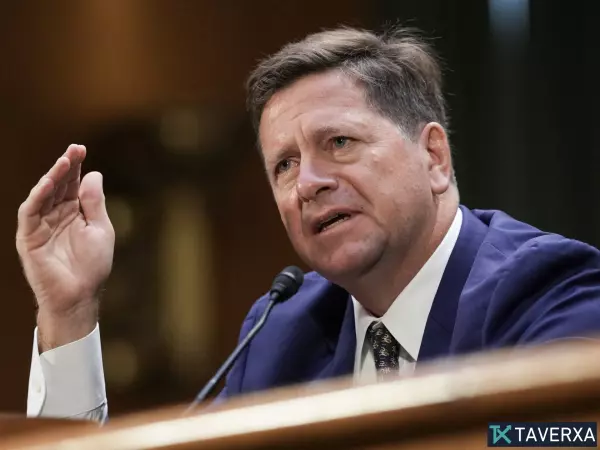
A Tense Confirmation Hearing
During a highly anticipated Senate Intelligence Committee hearing on July 15, 2026, Jay Clayton, President Donald Trump’s nominee for Director of National Intelligence (DNI), faced intense scrutiny regarding his stance on the 2020 presidential election. While Clayton asserted that he is not an 'election denier,' his repeated refusal to directly acknowledge Joe Biden’s 2020 victory against Donald Trump has raised significant concerns among lawmakers.
The Confrontation with Senators
Senator Jon Ossoff pressed Clayton directly on the matter, asking, 'Who won the 2020 election?' Clayton’s response, 'I’m not going to do this with you,' was met with sharp criticism from the committee. Senator Mark Kelly also challenged the nominee, asking why Biden was certified as the winner. Clayton limited his response to the procedural aspects of the Electoral College, stating, 'He followed our process, had the most electoral votes, was declared the winner,' but notably avoided the word 'won.'
Concerns Over Political Alignment
Critics, including Senate Majority Leader Chuck Schumer, argued that a DNI must demonstrate the independence required to speak truth to power. There is growing fear that the nominee’s reluctance to contradict Donald Trump, who continues to baselessly claim the 2020 election was stolen, suggests a potential for the intelligence community to be politicized. Senators expressed skepticism about whether an official unable to acknowledge established electoral reality could effectively maintain the integrity required for the nation's highest intelligence post.
Implications for Intelligence Agencies
As the nominee for the top intelligence role, Clayton’s performance has sparked a wider debate about institutional independence. With the backdrop of ongoing concerns regarding election interference and internal agency integrity, lawmakers emphasized that the ability to offer a dissenting opinion—even when it contradicts the President’s personal narratives—is a critical qualification for the role of DNI.