US Escalates Conflict with Iran: New Airstrikes Launched as Trump Announces Blockade of Hormuz
US Central Command executes new airstrikes on Iran's Bandar Abbas and Kish Island as President Trump prepares a blockade of the Strait of Hormuz.
Escalation in the Persian Gulf
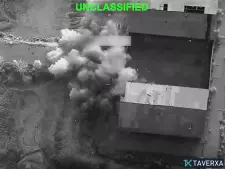
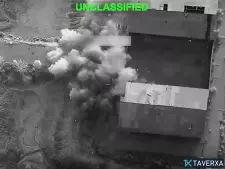
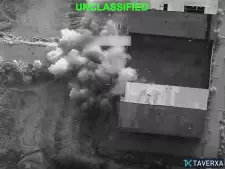
The geopolitical tension between the United States and Iran has reached a critical breaking point. In a series of rapid developments, the US military’s Central Command (CENTCOM) has confirmed the execution of a new wave of targeted airstrikes across Iranian territory. These operations were reportedly carried out under the direct authorization of President Donald Trump, following a period of escalating threats and diplomatic breakdowns.
Strategic Targets and Immediate Impact
Iranian state media outlets have reported significant explosions rocking strategic locations, specifically mentioning Bandar Abbas—a vital port city—and Kish Island. The precision of these attacks suggests a coordinated effort to disable critical infrastructure and signal US military dominance in the region. Local reports indicate that the strikes have caused substantial damage, though official casualty figures from the Iranian government remain pending.
The Battle for the Strait of Hormuz
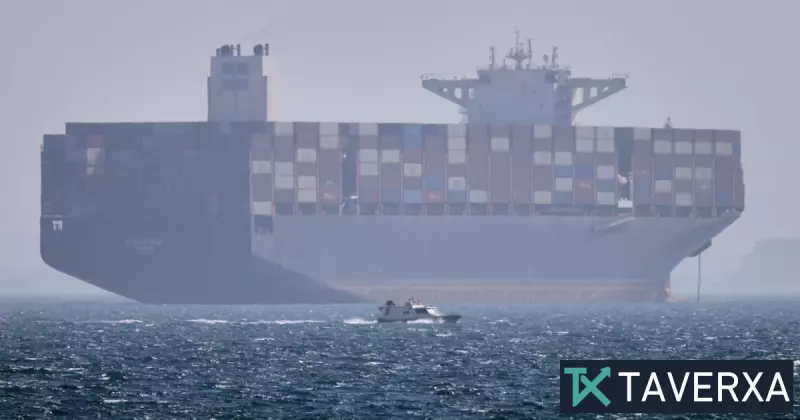
Central to this conflict is the Strait of Hormuz, one of the world's most important oil transit chokepoints. President Trump has taken a provocative stance, declaring that the United States will assume the role of 'guardian' of the Strait. In a move that has sent shockwaves through global energy markets, the US administration announced the reinstatement of a comprehensive blockade of Iranian ports and coastal areas.
According to CENTCOM, this blockade is scheduled to officially commence at 20:00 GMT on July 14. The plan involves not only restricting the movement of Iranian vessels but also the potential collection of tolls for ships transiting through the waterway, effectively attempting to control the flow of global energy supplies.
Global Economic Implications
The international community is watching with apprehension as oil prices have already begun to surge in response to the volatility. Because the Strait of Hormuz is essential for the transport of crude oil and liquefied natural gas (LNG), any prolonged disruption is expected to trigger fuel cost spikes and disrupt economic planning across Africa, Asia, and Europe.
A Fragile Peace Shattered
This sudden return to kinetic warfare follows a brief and fragile period of attempted diplomacy. The resumption of strikes marks a definitive shift away from the Memorandum of Understanding (MoU) signed between the US and Iran on June 17. Analysts suggest that the failure of these peace talks has paved the way for a more aggressive 'maximum pressure' campaign, raising fears of a full-scale regional war involving both the US and its allies, including Israel.