US and Iran Trade Heavy Strikes as Regional Conflict Escalates and Oil Prices Surge
US and Iran trade devastating strikes across the Gulf, triggering a naval blockade and surging oil prices. Read the full report on the IRGC response and Trump's warnings.
Escalation in the Gulf: A Cycle of Retaliation
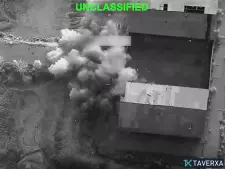
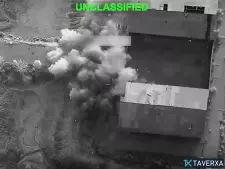
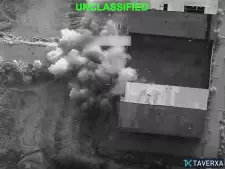
The volatile security landscape in the Middle East has reached a critical tipping point as the United States and Iran engage in a series of intense military exchanges. In a coordinated seven-hour operation concluding on Tuesday, US Central Command (CENTCOM) launched a wave of air and sea strikes targeting dozens of military installations along Iran's southern coastline and the strategically vital Strait of Hormuz. The operation, which utilized a sophisticated mix of fighter aircraft, drones, and naval vessels, marks a severe deterioration of the fragile ceasefire that had briefly held the region in check.
Humanitarian Impact and Iranian Casualties
The aftermath of the US strikes has been devastating, with Iranian officials reporting significant casualties. Fatemeh Mohajerani, a spokesperson for the Iranian government, confirmed that more than 30 civilians were killed in the recent onslaught. Further reports from the Iranian Health Ministry, delivered by spokesperson Hossein Kermanpour, indicate that over 260 individuals were injured, reflecting the scale of the impact on residential and military areas alike.
Specific reports highlight the Bambour Garrison in Iranshahr, where the Iranian army claims 13 US missiles struck accommodation blocks and guard posts, killing seven soldiers of the 388th Brigade. In western Ilam province, reports surfaced of a bottled water facility in Dehloran being hit, suggesting that the scope of the attacks may be extending beyond purely military targets.
The IRGC Response: Targeting US Assets Abroad
In a swift counter-offensive, Iran’s Islamic Revolutionary Guard Corps (IRGC) claimed to have struck multiple US military sites across the Gulf region. The IRGC asserts that it has inflicted "heavy damage" on the US Fifth Fleet headquarters and associated fuel tanks in Bahrain, as well as a critical logistics hub at Mina Abdullah in Kuwait. Furthermore, the IRGC claims to have successfully destroyed shelters housing advanced US fighter jets—including F-15, F-16, and F-35 models—and several MQ-9 Reaper drones.
The escalation extended to Jordan, where the military reported intercepting and shooting down three Iranian ballistic missiles that entered its airspace early Wednesday morning, underscoring the transnational reach of the current conflict.
Economic Warfare: Blockades and Oil Market Volatility
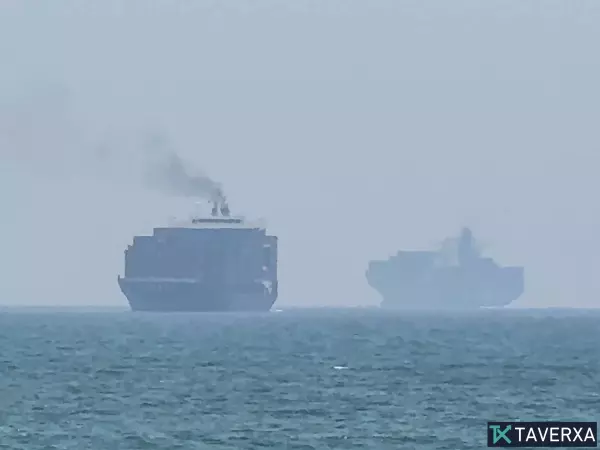
Parallel to the kinetic warfare, the US has reactivated a stringent naval blockade of Iranian ports. With approximately 21 naval vessels deployed in the region, CENTCOM aims to restrict Iranian maritime traffic through the Strait of Hormuz. However, this strategy is complicated by US promises to protect vessels utilizing the Omani shipping route, creating a complex maritime security environment.
The global economy is already feeling the tremors. Brent crude oil prices surged to $86.19 a barrel, a sharp increase from the $70 range seen before the escalation. This spike is driven by fears that one-fifth of the world's oil and gas shipments, which pass through the Strait of Hormuz, could be severely disrupted. The IRGC has intensified this pressure by warning that it may close all other export corridors that benefit the US and its allies, stating that energy exports will either be "shared by all, or denied to all."
Diplomatic Collapse and the "Maximum Pressure" Return
This surge in violence comes less than a month after a memorandum of understanding was signed to extend a ceasefire and initiate peace talks. Both Washington and Tehran now accuse each other of breaching the agreement. US President Donald Trump has adopted a hardline stance, stating that attacks on Iran "will continue until I say enough." In a recent interview with Fox News, Trump hinted at an escalation toward civilian infrastructure, mentioning potential future targets such as power plants, bridges, and energy facilities.
Adding to the military and maritime pressure, the US Treasury has frozen over $130 million in cryptocurrency wallets linked to Iran's central bank. Additionally, fresh sanctions have been leveled against a network involving oil shipping magnate Mohammad Hossein Shamkhani, targeting 50 individuals and entities accused of facilitating illegal Iranian oil exports.