Trump Reverses Hormuz Tariff Plan Amid Escalating US-Iran Military Conflict
President Trump reverses the 20% Hormuz tariff plan while maintaining a naval blockade of Iranian ports amid escalating US missile strikes in Bushehr and Bandar Abbas.
Strategic Pivot in Economic Warfare
In a sudden shift of diplomatic and economic strategy, President Donald Trump has announced a complete reversal of his plan to impose a 20-percent tariff on goods passing through the Strait of Hormuz. The decision, shared via a social media post, marks a significant u-turn in the administration's approach to leveraging economic pressure against Tehran. Sources suggest that the administration may be pivoting away from broad tariffs in favor of more targeted 'trade and investment' deals, attempting to create new leverage points in an increasingly volatile geopolitical landscape.
Maritime Blockades and Naval Pressure
Despite the reversal on tariffs, the US has not softened its military posture. President Trump reiterated the United States' commitment to maintaining a strict blockade of Iranian ports. This naval strategy is designed to stifle Iran's ability to export its resources and import critical military components, effectively tightening the noose around the Iranian economy while avoiding the domestic inflationary pressures that a broad 20-percent tariff might have triggered.
Escalating Military Strikes
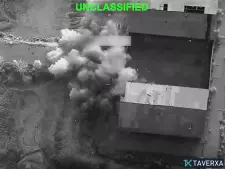
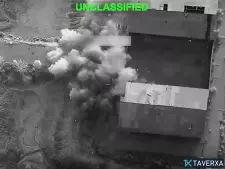
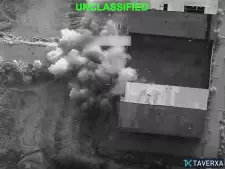
The economic news comes amidst a surge in kinetic activity. The US military has launched a series of sophisticated strikes across southern Iran. According to Iranian state media, heavy explosions have been reported in several strategic industrial and port cities, including:
- Bushehr: A critical hub for energy and nuclear infrastructure.
- Bandar Abbas: Iran's primary commercial port.
- Mahshahr and Abadan: Key centers for oil refining and petrochemicals.
Among the most notable tactical developments is the reported use of first-of-their-kind drone boat attacks to strike Iranian vessels, signaling a shift toward unmanned, asymmetric warfare in the Persian Gulf.
The Broader Geopolitical Stakes
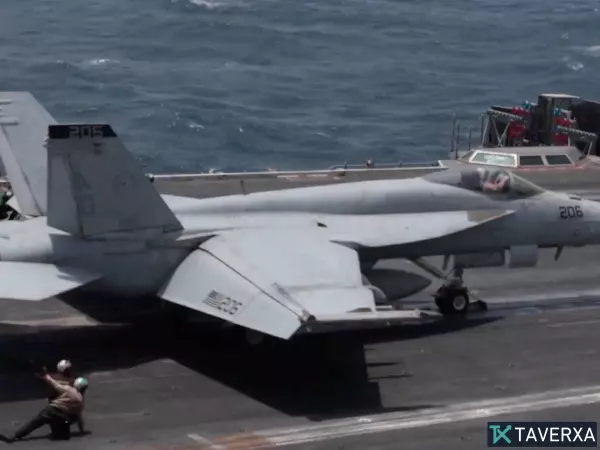
The conflict is currently centering around the Strait of Hormuz, one of the world's most vital oil transit chokepoints. With the US military maintaining a heavy presence—including operations from the USS George H.W. Bush—the region remains on a knife-edge. The juxtaposition of reversing tariffs while intensifying missile strikes suggests a complex "carrot and stick" approach, where the US seeks to isolate Iran militarily and politically while remaining open to specific, conditional economic arrangements.