Trump Announces US as 'Guardian' of Strait of Hormuz, Proposes 20% Cargo Tolls Amid Escalating Iran Conflict
President Trump announces the US will become the 'guardian' of the Strait of Hormuz, reinstating a blockade on Iran and proposing 20% cargo tolls.
A Bold Shift in Maritime Strategy
In a move that threatens to fundamentally reshape the geopolitical landscape of the Middle East, U.S. President Donald Trump has declared that the United States will assume the role of 'guardian' over the Strait of Hormuz. This strategic pivot comes as tensions between Washington and Tehran reach a breaking point, with both nations trading direct military strikes and abandoning previous diplomatic breakthroughs.
The announcement, delivered via an interview with Fox News and a post on Truth Social, outlines a dual-pronged approach: the reinstatement of a targeted naval blockade against Iran and the implementation of a controversial toll system for commercial vessels transiting the narrow waterway.
The 'Guardian' Mandate and Economic Tolls
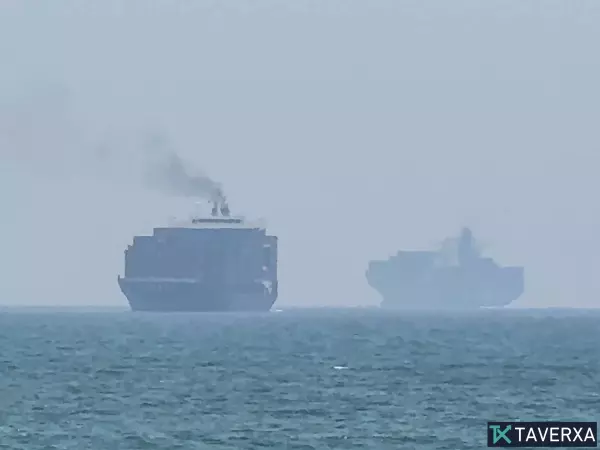
President Trump's proposal introduces a commercial element to national security. According to the President, the U.S. will not only provide safety and security in what he described as a 'very volatile section of the World,' but will also be reimbursed for these efforts. Trump proposed a 20% toll on all cargo shipped through the strait to cover the costs of maintaining a permanent security presence.
“We are reinstating the THE IRANIAN BLOCKADE, so named because it is only stopping Iran’s ships or customers from entering or leaving,” Trump stated, emphasizing that the process of forming this new security regime would begin immediately. This move represents a significant escalation, as the Strait of Hormuz is the world's most important oil transit chokepoint, with approximately 20% of global oil and gas exports passing through its waters.
Collapse of the June Memorandum of Understanding
This aggressive stance marks the effective dissolution of a Memorandum of Understanding (MoU) signed in June. That preliminary agreement had initially promised to end hostilities, lift the U.S. naval blockade, and guarantee the open passage of shipping to stabilize global energy markets.
However, the peace was short-lived. The breakdown is largely attributed to disputes over the specific language of the MoU. Iranian officials argued that the agreement allowed Tehran to maintain control over the passage and justify attacks on vessels that did not follow Iranian-designated routes. Conversely, the Trump administration insisted the agreement required the strait to be open to all traffic without interference.
Iran’s Defiant Response
Tehran has reacted with fierce condemnation. A spokesperson for the Khatam al-Anbiya Central Headquarters, Iran’s joint military command, issued a stern warning to Washington and its regional allies, stating that Iran would never allow U.S. interference in the management of the strait.
The Iranian military warned that any attempt by the U.S. to disrupt commercial passage or operate outside authorized shipping routes would be met with a 'forceful response.' Furthermore, the command declared that any regional leaders providing logistical support to the U.S. military would be viewed as engaging in an 'act of war' against Iranian sovereignty.
Global Economic Implications
The volatility is already being felt in the markets. Oil prices have surged as traders fear a prolonged conflict in the region. Maritime security analyst Dimitris Maniatis noted a 'drastic decline' in commercial traffic through the strait following the latest round of attacks, reversing the brief surge in activity seen immediately after the June MoU.
With U.S. forces targeting Iranian port cities and Iran striking U.S. military installations in Bahrain, Kuwait, Oman, and Jordan, the risk of a full-scale regional war has returned to the forefront, leaving the global economy vulnerable to massive energy price shocks.