Trump and Iraqi PM Ali al-Zaidi Forge New Economic Alliance: A Shift Toward 'Deals' and Disarmament
President Donald Trump and Iraqi PM Ali al-Zaidi announce a shift from military to economic ties, pledging oil deals and the complete withdrawal of US troops by September 30.
A New Chapter in US-Iraq Relations
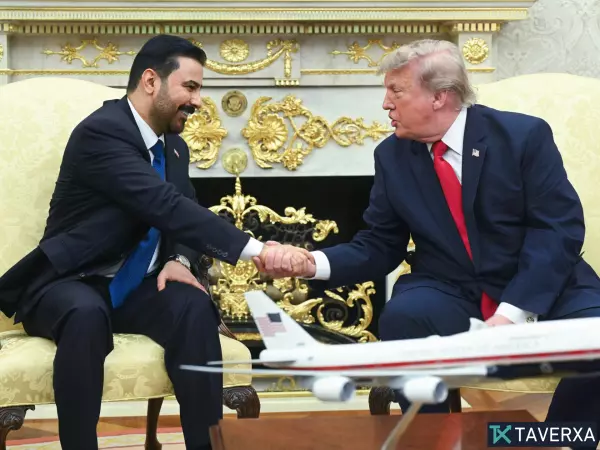
In a high-stakes diplomatic encounter at the White House, US President Donald Trump and Iraqi Prime Minister Ali al-Zaidi have signaled a fundamental transformation in the relationship between Washington and Baghdad. Moving away from the militaristic focus that has defined the last two decades, the two leaders have pledged to pivot toward a robust economic partnership centered on energy, job creation, and mutual trade.
The meeting, held in the Oval Office on Tuesday, underscores a strategic realignment. President Trump, who previously championed al-Zaidi—a businessman with no prior political background—over the more divisive former Prime Minister Nouri al-Maliki, described the new Iraqi leader as a "fantastic champion." The shift in leadership reflects a desire for a more pragmatic, business-oriented approach to governance in Iraq, distancing the country from the Iranian influence often associated with previous administrations.
Prioritizing Oil and Economic Growth
Central to the discussions were Iraq's vast oil reserves and the potential for increased exports. President Trump emphasized that Iraq possesses "tremendous potential," promising that the two nations would enter into "a lot of deals" to boost oil output and stimulate employment in both countries.
For Prime Minister al-Zaidi, the visit represents the birth of a formal economic partnership. However, the economic stakes are urgent. Iraq's economy has been severely crippled by the effective closure of the Strait of Hormuz by Iran, a critical maritime artery through which approximately 90 percent of Iraq's 3.4 million barrels per day (bpd) of fossil fuel exports traditionally pass.
The Path to Disarmament and Troop Withdrawal
Perhaps the most significant announcement from the summit was the commitment to a full military transition. Both leaders confirmed that the remaining US forces in Iraq—estimated to be fewer than 2,000 personnel—will completely withdraw by September 30.
In a reciprocal and ambitious move, Prime Minister al-Zaidi has pledged that Iraq's various armed paramilitary factions will disarm by the same deadline. These groups, which have held significant power since the 2003 US-led invasion, remain a primary source of domestic instability. While al-Zaidi has vowed to dismantle these power structures, he has yet to provide a detailed roadmap for how to achieve this without sparking internal conflict. Notably, the Islamic Resistance in Iraq, an umbrella group of Iran-backed militias, has already voiced its rejection of any agreements resulting from this visit.
Reconstruction and the OPEC Struggle
Beyond security and trade, al-Zaidi used the platform to advocate for Iraq's recovery from the devastating war against ISIL. Despite victory being declared in 2017, the Prime Minister revealed that the damage to the country's infrastructure exceeds $400 billion, with many citizens still living in displacement camps.
To fund the reconstruction of homes and cities, al-Zaidi is pushing for a "fair share" within the Organization of the Petroleum Exporting Countries (OPEC). He is advocating for a higher production quota, arguing that increased oil revenue is the only viable path to returning displaced families to their homes and rebuilding the nation's shattered economy.
Geopolitical Tensions and the Iranian Factor
The meeting takes place against a backdrop of extreme regional volatility. Iraq remains a focal point in the broader conflict between the US-Israeli alliance and Iran, which escalated sharply on February 28. The stability of the region currently hinges on a fragile memorandum of understanding (MoU) from June, which aimed to reopen the Strait of Hormuz and lift US naval blockades on Iran.
As al-Zaidi attempts to balance the competing influences of Washington and Tehran, the success of this new "economic partnership" will depend on whether Iraq can successfully transition from a battlefield to a business hub without alienating the powerful militias still operating within its borders.