Trump Administration Escalates Conflict with Press via New York Times Subpoenas
The Trump administration has subpoenaed New York Times reporters over coverage of presidential travel, sparking outrage and concerns over press freedom.
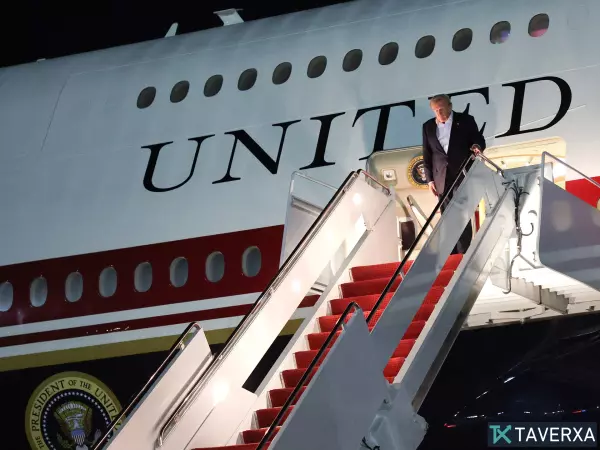
In a move that has ignited intense debate regarding the sanctity of the First Amendment, the administration of President Donald Trump has issued federal subpoenas to several prominent New York Times journalists. The legal action, which reportedly involved federal agents delivering documents directly to reporters' homes, has been widely condemned by media advocacy groups as an intimidation tactic aimed at suppressing critical reporting.
The Anatomy of the Dispute
The controversy stems from investigative reporting concerning President Trump’s recent travel to a NATO summit in Turkiye. According to the New York Times, the President opted to use his older, established Air Force One for the return journey rather than the newly commissioned aircraft—a jet gifted by the State of Qatar and retrofitted for presidential service. While the administration publicly framed the switch as an opportunity for military personnel to view the 'magnificent' new aircraft, the Times reported that the decision was driven by pressing security concerns and a lack of necessary defensive capabilities on the new model. The subpoenas target journalists Eric Schmitt, Tyler Pager, Eric Lipton, and Julian E. Barnes to compel testimony regarding their anonymous sources.
A Pattern of Legal Confrontation
This latest maneuver is part of a broader strategy employed by the Trump administration to challenge media outlets. The administration has previously engaged in multi-billion dollar lawsuits against organizations like the BBC and the Wall Street Journal, attempting to hold outlets accountable for coverage deemed unfavorable or inaccurate. Legal experts and civil rights advocates argue that these actions are intended to foster a 'chilling effect,' discouraging journalists from pursuing stories involving sensitive government operations or national security matters.
The Constitutional Standoff
David McCraw, the legal counsel for the New York Times, has been vocal in his opposition, characterizing the administration's actions as a profound overreach. 'The appearance of federal law enforcement agents on the doorstep of news reporters should shock the conscience of any American who believes in the Constitution,' McCraw stated. Despite pressure from the FBI to reveal the identity of anonymous sources within the Air Force, the newspaper has remained firm in its commitment to journalistic ethics, refusing to disclose protected sources.
Political Backlash
The subpoenas have invited scathing criticism from congressional leaders, including Senate Minority Leader Chuck Schumer, who described the move as an 'extraordinary escalation' in the war on independent journalism. As the Senate prepares to hold confirmation hearings for Jay Clayton, the US attorney responsible for authorizing the subpoenas, the incident serves as a significant flashpoint in the ongoing struggle between the executive branch and the press over the boundaries of transparency and national security.