Trump Abandons Proposed Strait of Hormuz Transit Fee in Favor of Gulf Investment Deals
President Donald Trump pivots from a proposed 20% Strait of Hormuz transit fee, opting for massive Gulf investment deals amid escalating war with Iran.
Strategic Shift in the Persian Gulf
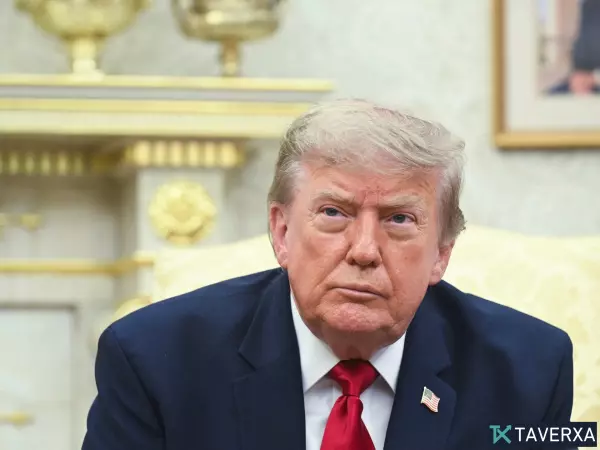
In a sudden reversal of policy, United States President Donald Trump has backed away from a controversial proposal to levy a 20 percent transit fee on vessels passing through the Strait of Hormuz. The pivot comes just twenty-four hours after the President initially announced the fee on Truth Social, signaling a volatile shift in the U.S. approach to one of the world's most critical maritime chokepoints.
The original proposal was framed as a "reimbursement" for the immense costs the United States incurs while providing safety and security in the region. However, the announcement raised significant questions regarding international law, as the U.S. does not exercise sovereign control over the international waterway.
From Transit Fees to Trade Agreements
On Tuesday, President Trump clarified that the administration would instead pursue "Trade and Investment Deals" with various Gulf States. According to the President, this decision was reached following "highly productive conversations with Middle East leadership." Rather than a direct toll, the U.S. now expects "massive" investments from regional allies in exchange for continued transit protection and security guarantees.
This shift mirrors a broader transactional approach to foreign policy. While several Gulf nations had already pledged multibillion-dollar investments in the U.S. prior to the escalation of hostilities with Iran on February 28, the White House is now tying these economic incentives directly to regional security stability.
The Legal and Diplomatic Paradox
The reversal also resolves a potential diplomatic contradiction. Previously, U.S. Secretary of State Marco Rubio had firmly rejected the notion of Iran charging fees for ships transiting the Strait, arguing that such a move would violate international law. By abandoning the 20 percent fee, Trump returns to the established U.S. position that international waterways must remain free from arbitrary tolls.
Rising Tensions and the Brink of Blockade
This policy shift occurs against a backdrop of severe military escalation. The announcement came hours before a scheduled restart of the U.S. military blockade of Iran. This blockade had been temporarily paused following a memorandum of understanding (MoU) signed in mid-June, which aimed to end fighting and reopen the Strait.
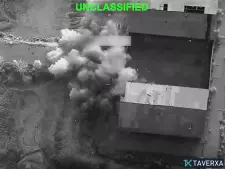
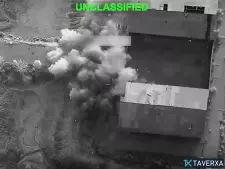
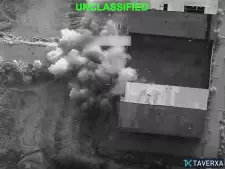
However, that fragile peace has been shattered by a new wave of violence. Iranian media have reported strikes across Bushehr, Bandar Abbas, Mahshahr, and Abadan, with explosions recently hitting Qeshm and Kish islands. Simultaneously, Kuwait has reported engaging aerial targets, and Iran has vowed to continue its campaign against U.S. assets in Bahrain, Jordan, and the Strait of Hormuz.
As the U.S. and Israel continue their conflict with Tehran, the pivot from a transit fee to investment deals may be an attempt to keep regional allies aligned economically while the military prepares for a renewed blockade and potential further strikes on Iranian nuclear facilities, such as the 'Pickaxe Mountain' site.