The State of Streaming: New Survey Reveals Why We Can't Quit Netflix and Where We're Finding Free TV
A new Tom's Guide survey reveals that 30% of users subscribe to 7+ streaming services, why Netflix remains the ultimate staple, and the rise of free ad-supported TV.
The Streaming Paradox: A Subscription Overload
Not long ago, cutting the cord was the ultimate financial hack. The promise was simple: abandon the bloated, overpriced cable package for a few flexible, cost-effective streaming services. However, a recent survey of 682 Tom's Guide readers paints a starkly different reality for 2026. As major studios lock content behind their own platforms, the landscape has shifted from a simplified experience to one of 'subscription fatigue.'
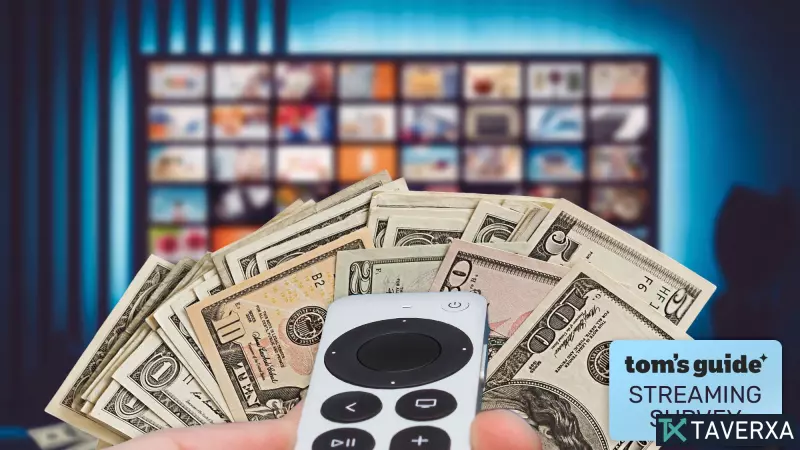
According to our findings, the days of a one-size-fits-all streaming diet are over. Nearly 30% of those surveyed admit to juggling seven or more subscriptions, while 39% maintain between four and six. With exclusive hit series fragmented across various apps, viewers feel forced to pay for multiple services to stay part of the cultural conversation. The result? The financial benefits of cord-cutting have largely evaporated, with two-thirds of respondents now spending at least $36 a month, and over 35% shelling out more than $60 monthly.
Netflix Remains the King of Retention
Despite the intense competition, Netflix continues to solidify its position as the bedrock of the modern entertainment home. While Prime Video technically boasts a higher subscriber count among our respondents (83% vs. 76%)—largely due to its integration with Amazon’s retail ecosystem—it lacks the deep emotional attachment commanded by its rival.
When asked which single service they would refuse to cancel, a commanding 39% pointed to Netflix. Prime Video followed at 29%, but the gap is significant. It suggests a clear hierarchy: while consumers are willing to rotate through other platforms based on current show rotations, Netflix has successfully become the 'essential' utility of streaming.
The Rise of Free Ad-Supported Television
Perhaps the most telling shift in the survey is the migration toward free, ad-supported streaming options. With the cost of entry for premium services rising, viewers are increasingly turning to FAST (Free Ad-Supported Streaming TV) platforms.
YouTube is currently the leader, with 53.7% of respondents using it for free content, closely followed by Tubi at 48.8%. Other services like The Roku Channel and Pluto TV also command significant audiences. This trend highlights a broader consumer pivot: viewers are becoming more intentional about their spending, choosing to endure occasional ad breaks in exchange for a $0 monthly bill to fill the gaps left by their paid subscriptions.
Looking Ahead: A More Intentional Future
The era of impulse-subscribing appears to be winding down. The data suggests that viewers are becoming savvier, carefully evaluating the value of each service against their monthly budget. As price hikes continue to define the streaming industry, the future belongs to platforms that can balance premium content with long-term viewer loyalty, while the free streaming sector continues to evolve into a vital alternative for budget-conscious families.