The Resilient Legacy of Wong Kim Ark: Birthright Citizenship Under Siege
Discover how the 1898 Supreme Court case of Wong Kim Ark remains at the center of the modern fight to preserve birthright citizenship in the United States.
In a modern era defined by intense debates over immigration and national identity, the story of Wong Kim Ark has emerged from the historical archives to take center stage in American politics. Born in 1873 in the heart of San Francisco’s Chinatown, Wong became an unlikely symbol of constitutional endurance. Today, his descendants, led by his great-granddaughter Sandra Wong, find themselves navigating the public spotlight as his landmark 1898 Supreme Court victory is once again tested by the highest offices of the US government.
A Historical Precedent Under Fire
When Wong Kim Ark was born, the United States was still grappling with the implications of the Fourteenth Amendment, which promised citizenship to anyone born on American soil. Despite this, he faced the systemic exclusion of the Chinese Exclusion Act. In 1895, his return from a visit to China was blocked by customs officials who refused to recognize his US citizenship based on his parentage. His fight against this denial reached the Supreme Court in 1898, where justices ruled that citizenship is determined by birthplace—a principle that has governed American law for over a century.
The Contemporary Challenge
Under the administration of Donald Trump, this established legal precedent has faced renewed challenges. Trump’s push to restrict birthright citizenship—limiting it only to children of permanent residents or citizens—seeks to fundamentally alter the interpretation of the Fourteenth Amendment. While the Supreme Court recently upheld the existing status quo, the political climate remains volatile, with further legal challenges and calls for constitutional amendments echoing through the halls of power.
Preserving the Legacy
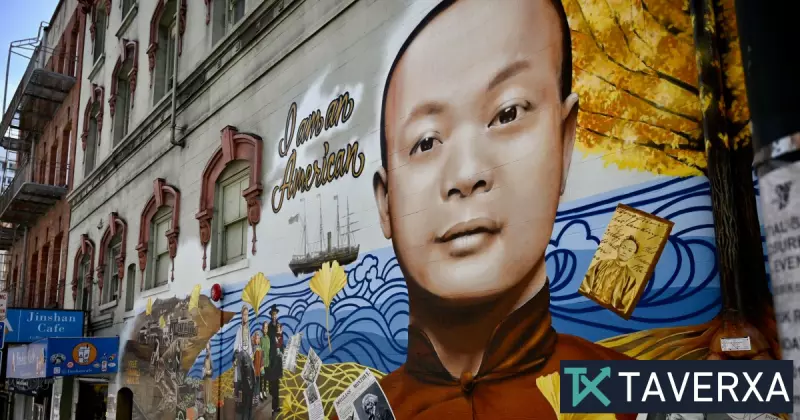
For the Wong family, this resurgence of anti-immigrant sentiment has been both jarring and transformative. Sandra Wong, once a private citizen, has embraced her role as an ambassador for her great-grandfather’s legacy. In San Francisco, the community has rallied to ensure this history is not forgotten. A new mural at 751 Sacramento Street, the site of Wong’s birth, proudly proclaims 'I am an American,' while plans for a memorial bust at the Nam Kue Chinese School aim to educate future generations about the human cost of citizenship battles.
As advocate Vincent Pan notes, these efforts are crucial. They serve as a reminder that constitutional rights, often viewed as abstract text, are anchored in the lives of real people who fought to be recognized as part of the American fabric. The battle for birthright citizenship continues, not just in courtrooms, but in the collective memory of those who refuse to let history be erased.